
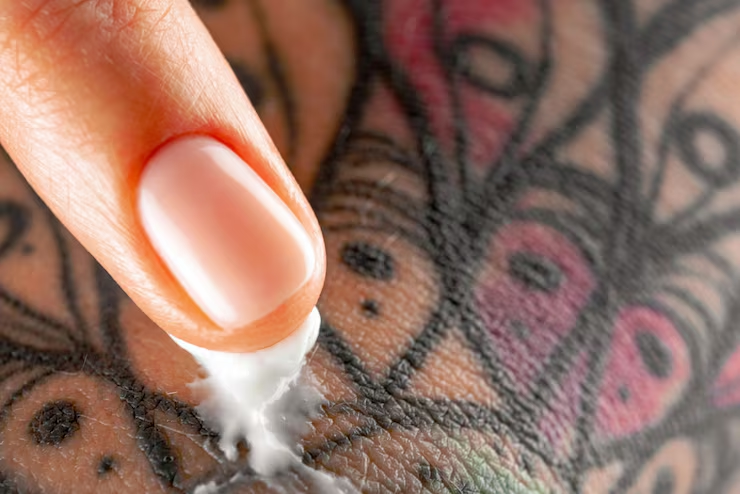
People get nervous about needles when they want to get a tattoo inked, that’s normal. But what about the cream you’re slathering on your skin beforehand? You’ve probably heard someone mention numbing cream at a tattoo studio. Maybe you’ve seen it sitting on the artist’s desk. The real question isn’t whether it exists but whether it actually works. And more importantly, whether it’s safe to use before getting inked.
What Is Tattoo Cream and How Does It Work?
Tattoo cream has become standard practice in studios across the country. Most artists keep a tube handy. Many clients request it before their appointment. The appeal is obvious: less pain means a better inking experience. Understanding what’s actually in these products matters. You need to know what you’re putting on your skin. This becomes especially important when needles are about to pierce through it.
The main ingredient you’ll find in most numbing creams is lidocaine. This chemical does the heavy lifting. It works by blocking nerve signals in the area where you apply it. When those signals can’t reach your brain, your brain doesn’t register pain. Sounds straightforward, right? The trick is that lidocaine doesn’t work instantly. It needs time to absorb into your skin and do its job properly.
Understanding Lidocaine and Other Active Ingredients
Different creams contain different percentages of lidocaine. Some have 4 per cent. Others go higher. The percentage matters because it determines how effective the product will be. A stronger concentration doesn’t always mean better results. Sometimes, more just means more potential for side effects. The amount you need depends on your skin type, along with your sensitivity level, plus how much area you’re covering.
Prilocaine is another ingredient you might encounter in some formulations. It works similarly to lidocaine, yet has a slightly different absorption rate. Both are considered safe when used as directed. Both appear on the approved list for topical use in Australia. Checking the regulatory status of any product before using it gives you peace of mind. Regulatory bodies have reviewed its safety profile thoroughly.
Benzocaine shows up in some products, too. It’s less common in tattoo-specific creams. It’s another local anaesthetic that numbs skin by interrupting nerve impulses. The mechanism is the same across all these ingredients: block signals plus reduce pain perception. Each ingredient has slightly different properties. This is why some people prefer certain brands over others. Your skin chemistry matters more than most people think.
Application Timing and Preparation
Application timing is crucial for effectiveness. Most people make the mistake of applying cream five minutes before their tattoo session. They expect miracles from this short window. That’s not how it works. You typically need 30 to 60 minutes for the cream to settle properly into your skin. Some products require longer periods. If your artist says to apply it 45 minutes beforehand, that’s not a suggestion. That’s the window where the product actually does what it claims.
Skin preparation matters too. Clean along with dry skin absorbs the cream better than dirty or damp skin. Some artists recommend exfoliating lightly beforehand. Others suggest avoiding it entirely. The goal is to get the cream into your skin. You don’t want it sitting on top of it. Think of it like trying to water a plant through its leaves versus watering the soil. You want the cream to penetrate. You don’t want it just coating the surface.
Common Side Effects and How to Manage Them
Now let’s talk about side effects. Most people tolerate using a tattoo cream without problems. But some reactions do happen. Common ones include redness along with slight itching. Mild swelling at the application site also occurs. These usually fade within a few hours. More serious reactions are rare when you follow instructions properly. Some people experience allergic responses to specific ingredients. This is why patch testing beforehand is smart if you’ve got sensitive skin.
The real risk comes from overuse. Slathering on excessive amounts of numbing cream won’t make you numb twice as much. It just means more chemical absorption into your bloodstream. High concentrations of lidocaine in your system can cause dizziness. Headaches may develop. In rare cases, more serious issues can arise. Moderation isn’t just about effectiveness. It’s about safety.
Safety Considerations and Best Practices
Testing small amounts first makes sense. This is especially true if you’ve never used the product before. Apply a bit to a small area 24 hours before your tattoo appointment. See if you have any reaction. This gives you real data about your skin’s response. You’ll know about problems before your session. You won’t find out during your appointment that you’re allergic to something in the formula.
Quality matters significantly in your product choice. Buying cheap along with unregulated creams from online marketplaces puts you at risk. You don’t know what’s actually in them. You don’t know if the percentage listed is accurate. Sticking with products from reputable suppliers, along with pharmacies, works better. Getting them from the artists themselves is ideal. You reduce that risk substantially. You’re not just paying for the cream. You’re paying for certainty about what you’re putting on your skin.
People with certain medical conditions should be careful. Pregnant women need to consider this decision carefully. Those with heart conditions should think twice. Anyone on specific medications should pause before use. Talk to your doctor before using numbing cream in these situations. Not because the cream is inherently dangerous. But because individual health situations vary. What’s safe for most people might not be safe for you. Medical professionals know your history. Artists don’t.
Pre-Tattoo Anxiety and Pain Management
Pre-tattoo anxiety often stems from fear of the unknown. You don’t know how much it’ll hurt. You don’t know how you’ll react. Using numbing cream removes one variable from that equation. You still feel the tattoo. The cream doesn’t make you completely numb. It takes the edge off. This edge reduction is often enough to get through the session without white-knuckling the armrest.
Interactions with other products matter as well. If you’re using other topical medications along with skincare products, mention it to your artist beforehand. Certain combinations can cause unexpected reactions. It’s not usually a disaster. But it’s worth flagging. Your artist has seen plenty of skin types along with product combinations. They can advise whether mixing things is safe. You might need to stick to the cream alone.
Aftercare and Healing
Aftercare plays a role in safety, too. Once your tattoo is done along with being healed, your skin needs attention. Some numbing creams leave residue that artists need to clean off properly. Not doing this can trap bacteria under the residue. It might prevent proper healing from happening. Follow your artist’s cleaning instructions carefully. They know what works best with whatever product you use. Getting this step right matters for infection prevention, along with tattoo quality.
Making the Right Choice for Your Tattoo Session
The bottom line is straightforward. Tattoo cream is generally safe when used properly. Choose products with clear ingredient lists. Apply them correctly and follow the timing instructions carefully. Don’t overdose yourself hoping for maximum numbness. Your body doesn’t need heroic amounts of anaesthetic to make the experience bearable. Used sensibly, these creams do what they claim. They take the edge off pain. They make the whole experience more comfortable.
