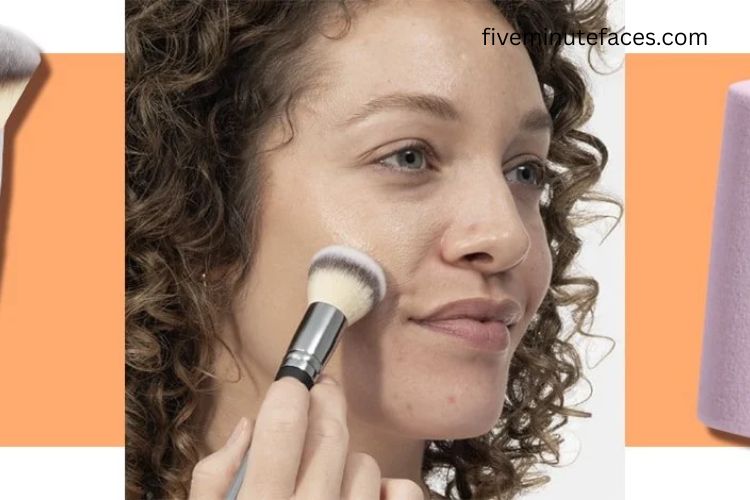
Choosing between a foundation brush and a sponge might seem straightforward—it often comes down to personal preference. However, your choice of tool is just one part of the equation. Factors like the texture of your foundation, your desired coverage, and your overall makeup look all play a role. This guide will walk you through the differences between brushes and sponges, when to use each, and tips to achieve a flawless foundation finish.
Read More: Acne: 12 Life-Changing, Dermatologist-Approved DIY Face Masks That Actually Fight Breakouts
Understanding Foundation Brushes and Sponges
Both foundation brushes and sponges offer unique benefits, and neither is inherently better than the other. What sets them apart is the type of finish they deliver.
Foundation Brushes: Ideal for full-coverage looks, brushes allow precise, controlled application. They work well with liquid, cream, and powder foundations, though the size, shape, and density of the brush can influence the outcome.
Makeup Sponges: Perfect for a natural, dewy finish, sponges slightly sheer out foundation, creating a smooth, skin-like appearance. They excel with liquid formulas and help blend seamlessly for a softer look.
Choosing the Right Tool for Your Foundation
The type of foundation you use will guide your choice of tool:
- Liquid Foundation: Lightweight and fluid, liquid formulas can be applied with either a brush or a sponge. Both tools distribute the product evenly.
- Cream Foundation: Often found in pans, palettes, or sticks, cream foundations blend best with a dense foundation brush. Brushes allow smooth application and controlled coverage.
- Powder Foundation: For powder formulas, a fluffy powder brush is ideal. While sponges can be used, they often create uneven, patchy results with powders.
Understanding your foundation type ensures that your application looks professional and lasts longer throughout the day.
How to Apply Foundation with a Brush
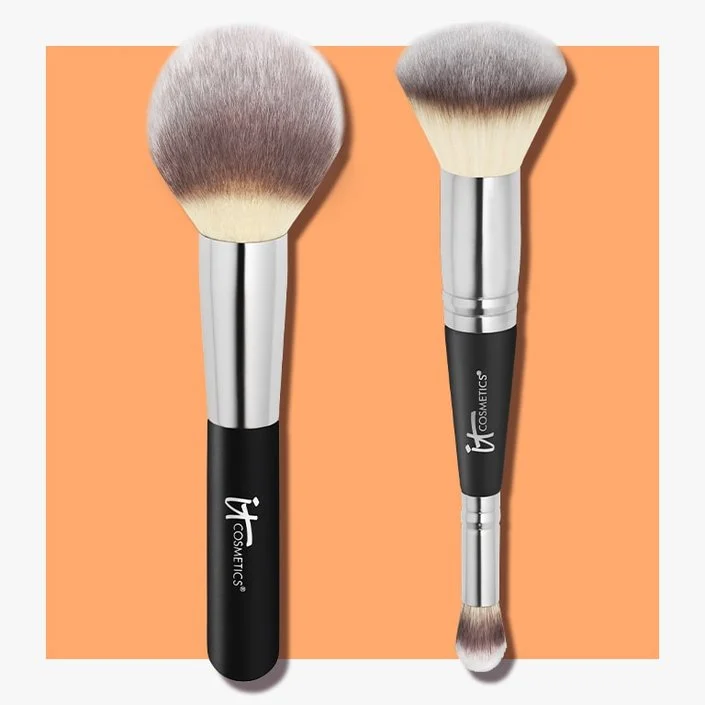
Applying foundation with a brush offers control and precision. Here’s a step-by-step guide:
- Choose the Right Brush: For liquid and cream foundations, dual-ended brushes are versatile. A tapered end works for detailed application, while a fuller end helps blend. Powder foundations require soft, fluffy brushes designed specifically for loose or pressed powders.
- Prep Your Skin: Cleanse, moisturize, and apply a primer to ensure smooth application.
- Pick Up the Product: Dispense foundation onto the back of your hand, then lightly load your brush. This ensures an even coating on the bristles.
- Apply and Blend: Start at the center of your face and blend outward using soft, circular motions. Buff along the jawline and hairline for a seamless finish. Avoid pressing too hard on the brush to protect the bristles and maintain smooth coverage.
Brushes are excellent for building coverage gradually, so you can layer products without creating a cakey effect.
How to Apply Foundation with a Sponge
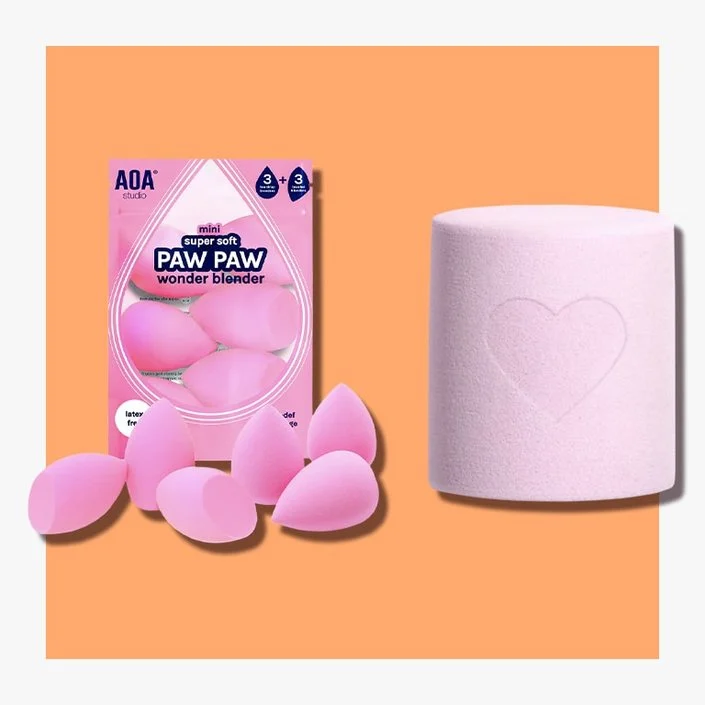
Sponges are popular for achieving a smooth, natural finish. Here’s how to use one effectively:
- Select Your Sponge: Foam-based sponges are common and effective. Consider using smaller sponges for hard-to-reach areas like the sides of your nose or under the eyes.
- Dampen the Sponge: Run the sponge under lukewarm water, then squeeze out excess water. It should be damp, not soaked.
- Apply Foundation: Dispense foundation onto the back of your hand, then dip the sponge lightly. Remove any excess by bouncing it on your hand.
- Blend with a Bouncing Motion: Pat the foundation onto your skin, starting from the center of your face and blending outward. Avoid wiping motions, which can streak the product. Layer gradually for a natural, second-skin effect.
Tip: For oil or silicone-based foundations, skip wetting the sponge, as water can interfere with the formula’s texture. Always check your foundation’s instructions for optimal results.
Tips for a Perfect Foundation Application
Even with the right tool, a flawless foundation requires proper preparation and technique:
- Start with a Clean Base: Makeup applies best to freshly cleansed, moisturized skin. Primer helps smooth the surface and extend wear.
- Layer Products Strategically: Liquid or cream foundations can support additional layers of cream, liquid, or powder. Powder foundations should stick to powders to prevent a patchy finish.
- Set Your Makeup: A setting spray helps lock in your foundation and prevents smudging or fading throughout the day.
Cleaning Your Tools
Clean brushes and sponges are essential for flawless application and healthy skin:
- Brushes: Wash regularly with a gentle brush cleaner or mild soap to remove product buildup.
- Sponges: Clean after each use to prevent bacteria growth. Damp sponges should be thoroughly rinsed, then air-dried.
Dirty tools can lead to uneven application, breakouts, or irritation, so keeping them clean is non-negotiable.
Brush vs. Sponge: Making the Right Choice
Deciding between a brush and a sponge depends on your desired finish and the foundation formula:
- Use a Brush if you want full coverage, precise application, and smooth blending with creams or powders.
- Use a Sponge for a sheer, natural, skin-like finish, especially with liquid formulas.
Some makeup enthusiasts even combine the two: using a brush to apply foundation initially, then a sponge to soften and blend for a flawless effect. Experimenting with both tools will help you discover your perfect technique.
Common Mistakes to Avoid
Even experienced makeup users sometimes make simple mistakes that affect their foundation finish:
- Applying too much product at once, leading to a heavy, cakey look.
- Skipping primer or moisturizing, resulting in patchy application.
- Using a dry sponge for liquid or cream foundations, which can leave streaks.
- Neglecting to clean brushes or sponges, which may cause uneven coverage and skin issues.
- Avoiding these errors ensures your foundation looks polished and professional every time.
Frequently Asked Questions:
What’s the main difference between using a brush and a sponge for foundation?
A brush provides more control and is ideal for full-coverage looks, while a sponge gives a natural, dewy, skin-like finish.
Can I use both a brush and a sponge together?
Yes! Many makeup artists apply foundation with a brush first, then use a damp sponge to blend and soften the look for a flawless finish.
Which tool works best with liquid foundation?
Both brushes and sponges work well with liquid foundations. A brush is better for coverage, while a sponge is perfect for a natural, light finish.
Should I wet my sponge before applying foundation?
For most liquid or cream foundations, dampening the sponge ensures smoother blending. However, skip this step for oil or silicone-based formulas.
Are certain brushes better for cream or powder foundations?
Yes. Dense, tapered brushes work best for cream foundations, while fluffy brushes are ideal for powder foundations to prevent patchiness.
How often should I clean my brush or sponge?
Sponges should be cleaned after every use, and brushes at least once a week. Clean tools prevent streaks, uneven coverage, and breakouts.
Can I achieve full coverage with a sponge?
Yes, but it requires layering. For very full coverage, brushes are usually more efficient and easier to control.
Conclusion
Choosing between a foundation brush and a sponge doesn’t have to be complicated. Brushes offer precision and full coverage, while sponges create a soft, natural, and dewy finish. The best choice depends on your foundation type, desired look, and personal preference. Proper preparation, correct application techniques, and clean tools are key to achieving a flawless base every time. Experimenting with both tools can help you find the perfect method for your skin, ensuring your makeup always looks polished, seamless, and ready to impress.