
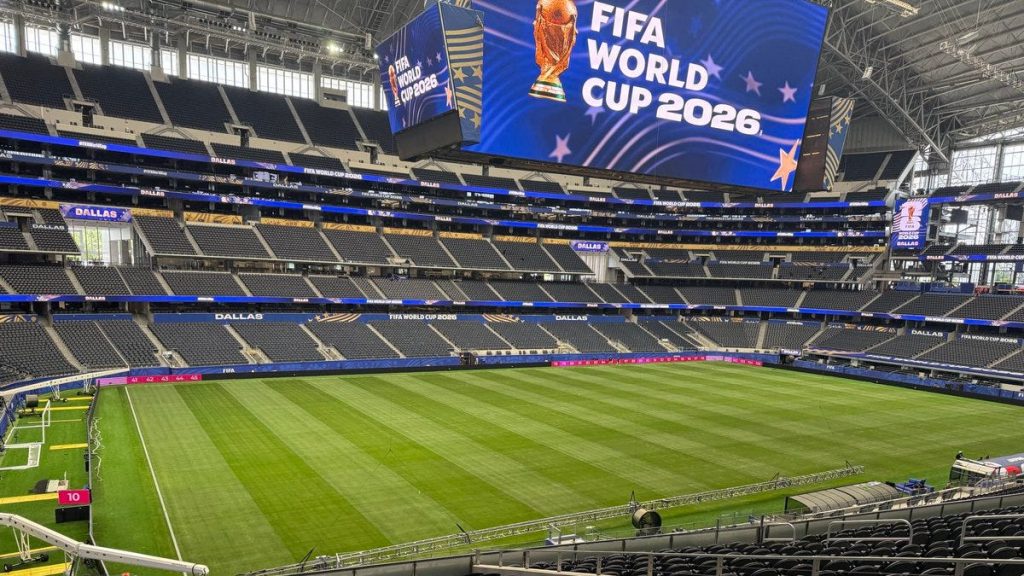
MetLife Stadium is not just another big arena hosting a one-off showpiece; it is the specific environment that will frame every tactical decision, physical effort and marginal action in the 2026 World Cup final. With more than 82,000 seats, a newly installed natural grass surface and dimensions adjusted to meet FIFA’s preferred 75-by-115 yard pitch size, the venue’s design will subtly shape how both finalists press, build and create chances on the biggest stage. For viewers, understanding these factors before kick-off can sharpen how you interpret what happens over ninety minutes, especially when xG numbers and shot maps start to emerge after the game.
Why MetLife Stadium Matters For How The Final Will Look
MetLife Stadium, located in East Rutherford, New Jersey, has been confirmed as the host of the 2026 World Cup final on 19 July, giving it a central place in the tournament’s narrative. Built in 2010 at a cost of around $1.6 billion and with a capacity of over 82,000, the stadium is used to handling major events, but converting an NFL venue into a world-class football pitch required specific design and infrastructure decisions that go beyond simple aesthetics. For viewers, these choices will influence everything from how fast the ball rolls along the grass to how clearly players can communicate in moments of peak crowd noise.
From NFL Base To FIFA Final: The Pitch Transformation
To host the World Cup, MetLife has moved away from its usual synthetic base and installed a natural grass field that meets FIFA’s strict requirements, including a full-size playing area fitting within a multi-layer surface system. Reports indicate that the stadium removed around 1,740 seats to achieve the 75-by-115 yard dimensions, ensuring not only regulatory compliance but also a proportion and spacing that feel familiar to players used to top-level European and international grounds. That transformation matters when you watch the final, because a full-length pitch with quality grass enables a wider range of tactical approaches—from high pressing and expansive build-up to deeper blocks and long diagonal switches—without the constraints that a smaller or poorer-quality surface would impose.
How The Grass Surface Can Shape Tempo, Pressing And Chance Quality
Natural grass over a base that usually supports artificial turf presents unique questions about ball behaviour, footing and maintenance, especially under the demands of a high-profile tournament. Players and analysts have already discussed how World Cup grass in NFL stadiums must balance softness for safe sliding and tackling with firmness for stable footing and predictable roll, and any misalignment could affect passing speed, pressing intensity and the ability to execute intricate combinations under pressure. For viewers, small slips on the turn, slightly under-hit diagonal passes or a ball that checks unexpectedly near the touchline are not random events but clues about how the surface is influencing both teams’ capacity to generate the high-quality chances that drive xG.
Comparing MetLife’s Setup To A Typical World Cup Stadium
Unlike traditional football-specific venues built around a single sport, MetLife’s design must transition between American football and international football, which means the grass field will be temporary or transportable rather than permanent. That difference puts extra emphasis on the quality of installation and ongoing maintenance: drainage, cut length and even how often the surface is relaid during the tournament can all influence how slick or sticky the pitch feels on matchday. When you combine those variables with New Jersey’s summer climate, you get a unique performance environment that might favour teams comfortable with high-tempo, vertical football if the surface plays fast, or benefit more patient, control-oriented sides if the ball holds up and rewards careful circulation.
Using ดูบอลสด To Read How The Stadium Is Affecting The Final
The only way to truly understand how MetLife is shaping the final is to watch the full match, paying attention not just to goals but to the sequence of passes, duels and transitions across different zones. When you commit to ดูบอลสด from kick-off, you can track how often the ball holds its line along the flanks, whether players avoid certain patches of the pitch, and how pressing triggers vary between the first and second halves as the grass and players’ legs wear down under the New Jersey heat and humidity. That continuous observation gives context to post-match xG and shot maps: if one side’s chance quality drops late on, you will know whether it came from tactical choices, fatigue induced by the stadium environment, or subtle changes in how the ball moved across the surface.
Checklist For Watching The Final With The Stadium In Mind
Going into the match with a structured way of observing MetLife’s influence helps you filter emotion through a more analytical lens. Instead of seeing the final purely as an isolated spectacle, you can treat it as a live experiment in how a specific stadium design influences pressing height, build-up risk and chance creation for two elite sides playing under maximum pressure. The following sequence offers a practical checklist you can run in your head while watching.
- In the opening ten minutes, notice how the ball travels along the ground: does it zip or hold up?
- Watch defenders’ and midfielders’ footing when changing direction at speed.
- Compare the intensity and coordination of the first pressing waves with later periods in the match.
- Track where the most dangerous attacks start—deep build-up, midfield regains or high turnovers.
- Note whether set-piece deliveries favour inswinging, outswinging or flat trajectories around the area.
By revisiting these points after the match, you can cross-check your impressions with the underlying data—xG by zone, pass completion in different thirds, duel win rates in wide versus central areas—and build a more precise picture of how MetLife either amplified or dampened each team’s tactical strengths.
Table: Stadium Features And Their Tactical Implications For The Final
Before the ball is kicked, it helps to summarise the key structural features of MetLife Stadium and link each to potential tactical consequences. Thinking this way encourages you to watch for specific behaviours—like how often teams exploit width or how comfortable they look maintaining a high line—rather than consuming the match passively.
| Stadium feature | Detail for 2026 final | Tactical implication for viewers to track |
| Pitch dimensions | Approx. 75 x 115 yards after seat removal | Space for wide switches, high lines and expansive pressing |
| Surface type | Temporary natural grass over NFL base | Ball speed, footing and passing risk in tight central spaces |
| Capacity and bowl design | 82,500+ seats, steep multi-tiered stands | Crowd noise impact on communication and pressing coordination |
| Location and climate | East Rutherford, New Jersey, mid-July | Heat and humidity effects on tempo and late-game intensity |
| Multi-use infrastructure | Regular NFL use with turf retained beneath | Maintenance decisions that affect consistency across matches |
Connecting these features to what you see live helps you avoid simplistic narratives about mentality or “wanting it more”. If a team struggles to play out from the back, for example, you can ask whether the combination of pitch speed, crowd pressure and a high-pressing opponent in this particular stadium made their usual patterns harder to execute. That mindset makes your post-match analysis more precise and less reliant on clichés.
How MetLife’s Environment Could Influence xG And Match Flow
xG models treat each shot as a probability based on historical patterns, but they do not fully capture stadium-specific context such as grass installation, bowl acoustics or subtle altitude and climate effects. With MetLife’s newly reconfigured pitch and intense World Cup atmosphere, certain shot types—like cut-backs to the penalty spot or headers from flat, driven corners—may become more or less effective depending on how the ball behaves and how comfortable players feel timing their runs. Watching the match with this in mind means asking whether a low xG total reflects poor attacking ideas or whether conditions and stadium structure quietly pushed both sides towards lower-quality attempts.
Conditional Scenarios For How The Final Might Play Out
If the grass plays fast and the weather is relatively mild, the final could lean towards a high-tempo contest with aggressive pressing, quick transitions and a higher volume of shots from central areas, resulting in elevated xG for one or both teams. Conversely, if the surface becomes heavier or the heat saps energy, you might see more conservative pressing, slower build-up and greater reliance on set pieces, shifting chance quality towards rehearsed routines rather than open-play combinations. Recognising which scenario is unfolding as you watch helps you calibrate expectations and judge performances fairly, given the stadium’s role in shaping what is possible on the day.
Summary
MetLife Stadium’s role in the 2026 World Cup final goes far beyond hosting a crowd; its pitch transformation, dimensions, surface and environment will all quietly influence how the match looks and feels for ninety minutes or more. By understanding the stadium’s key features and watching the game with those in mind—tracking ดูบอลสดวันนี้ changy behaviour, pressing patterns, shot locations and late-game intensity—you can interpret both the live action and the post-match xG data with far greater clarity. That perspective turns the final from a one-off spectacle into a rich case study in how venue design and playing conditions interact with elite tactics on football’s biggest stage.
