
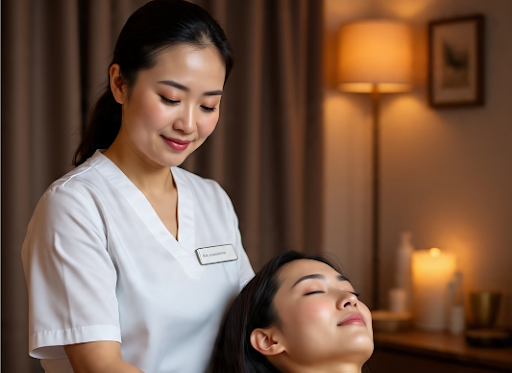
Life places continuous demands on the human body. Physical effort, emotional stress, poor posture, and limited rest slowly wear down muscles, joints, and the nervous system. Over time, this pressure builds into fatigue, discomfort, and mental restlessness. While many people look for quick fixes, true recovery requires a deeper approach. Massage therapy offers that depth by supporting the body’s natural ability to heal while creating a lasting sense of calm.
Massage is not only about relaxation in the moment. When practiced regularly and professionally, it becomes a powerful method for restoring physical strength, calming the mind, and maintaining long-term balance. https://www.vivigimassage.com/gangnam Understanding how massage works reveals why it has been trusted across cultures for centuries.
The Body’s Need for Recovery
The human body is designed to move, adapt, and recover. However, modern routines often interrupt this natural cycle. Long hours of sitting, repetitive tasks, emotional pressure, and lack of mindful rest prevent the body from fully repairing itself. Muscles remain tense, circulation slows, and the nervous system stays overstimulated.
When recovery is incomplete, small discomforts turn into chronic stiffness, low energy, and reduced mobility. Massage supports recovery by creating the right conditions for the body to reset. Through controlled touch and rhythmic movement, massage helps the body shift from constant effort into restoration mode.
How Massage Works Beyond the Surface
Massage therapy affects much more than skin and muscles. Beneath the surface, it influences blood flow, connective tissues, and nerve responses. Gentle pressure and movement encourage tissues to soften and lengthen, allowing the body to release stored tension.
At the same time, massage stimulates communication between the body and brain. This interaction helps regulate stress responses and encourages a state of calm awareness. Instead of forcing change, massage invites the body to relax naturally, which is why its effects often feel deep and long-lasting.
Full Body Recovery Through Improved Circulation
One of the most important benefits of massage is its effect on circulation. When muscles are tight, blood flow can become restricted, limiting oxygen and nutrient delivery. Massage encourages healthy circulation, helping the body nourish tissues and remove waste products more efficiently.
Improved circulation supports faster recovery after physical exertion and reduces feelings of heaviness or stiffness. Over time, this leads to improved muscle performance, better joint function, and a general sense of physical ease throughout the body.
Releasing Deep-Seated Tension
Stress does not disappear on its own. It often settles into specific areas such as the neck, shoulders, lower back, and hips. Massage therapy helps access these deep layers of tension in a controlled and safe way.
As tight areas begin to release, the body feels lighter and more flexible. This release also reduces strain on surrounding muscles and joints, preventing further discomfort. The process is gradual, allowing the body to adjust and heal without shock or pain.
The Nervous System and Lasting Calm
Long-lasting calm begins with the nervous system. Daily stress keeps the body in a heightened state of alert, making true relaxation difficult. Massage helps calm this overactive state by encouraging slower breathing, reduced heart rate, and a sense of safety.
As the nervous system settles, the mind follows. Thoughts slow down, emotional tension softens, and a quiet sense of balance emerges. This calm is not temporary; with regular massage, the body becomes better at returning to this relaxed state on its own.
Mental Reset Through Physical Relaxation
Mental exhaustion often comes from constant stimulation and pressure rather than physical effort alone. Massage therapy provides a rare opportunity for the mind to rest without distraction. The focus on physical sensation gently draws attention away from worries and mental noise.
This mental reset improves clarity, focus, and emotional balance. Many people find that decisions feel easier and stress feels more manageable after massage therapy. The mind becomes clearer because the body is no longer holding excessive tension.
Supporting Natural Healing Processes
The body has an innate ability to heal, but stress and tension can slow this process. Massage supports natural healing by creating an environment where the body can repair itself more efficiently.
Relaxed muscles, improved circulation, and a calm nervous system all contribute to better recovery. This support is especially valuable for people dealing with physical fatigue, minor injuries, or ongoing discomfort. Massage does not replace medical care, but it enhances the body’s ability to respond positively.
Building Physical Awareness and Balance
Massage therapy encourages awareness of how the body feels and moves. Many people go through daily life ignoring physical signals until pain becomes unavoidable. 서초 한국인 출장마사지 Massage helps reconnect individuals with their bodies.
This awareness often leads to better posture, improved movement habits, and more mindful responses to stress. When people understand where tension builds, they can make small adjustments that prevent discomfort from returning quickly.
The Role of Consistency in Long-Term Benefits
While a single massage session can feel deeply relaxing, long-lasting calm and recovery develop through consistency. Regular massage helps maintain muscle flexibility, balanced circulation, and a calm nervous system.
Over time, the body becomes more resilient. Stress no longer settles as deeply, recovery happens faster, and overall comfort improves. Massage becomes part of a preventive wellness routine rather than a response to pain alone.
Emotional Ease and Inner Stability
Emotional stress often manifests physically, and physical tension can influence emotions. Massage therapy supports emotional ease by addressing both aspects together. As physical tension releases, emotional pressure often softens as well.
This balance creates a sense of inner stability. People may feel more patient, grounded, and emotionally steady in their daily interactions. The calm developed during massage extends into everyday life, influencing how challenges are handled.
Restoring Energy Without Overstimulation
Unlike stimulants or intense activities, massage restores energy gently. By reducing tension and improving circulation, the body feels refreshed without becoming overstimulated.
This balanced energy supports productivity, creativity, and motivation. Instead of feeling drained at the end of the day, individuals often experience a steady sense of vitality that lasts longer.
A Natural Path to Sustainable Wellness
Massage therapy offers a natural approach to full body recovery and calm. It does not rely on artificial stimulation or suppression of symptoms. Instead, it works with the body’s natural rhythms and responses.
This makes massage suitable for people of all ages and lifestyles. Whether someone leads an active life or spends long hours at a desk, massage adapts to individual needs and supports overall wellness.
Conclusion
The true power of massage lies in its ability to restore balance across the entire body and mind. By supporting circulation, releasing tension, calming the nervous system, and encouraging mental clarity, massage therapy creates deep recovery and long-lasting calm.
In a world where stress and fatigue are common, massage offers a gentle yet effective way to reconnect with the body, support natural healing, and maintain lasting comfort. When practiced regularly, it becomes more than a treatment—it becomes a foundation for a healthier, calmer, and more balanced life.
