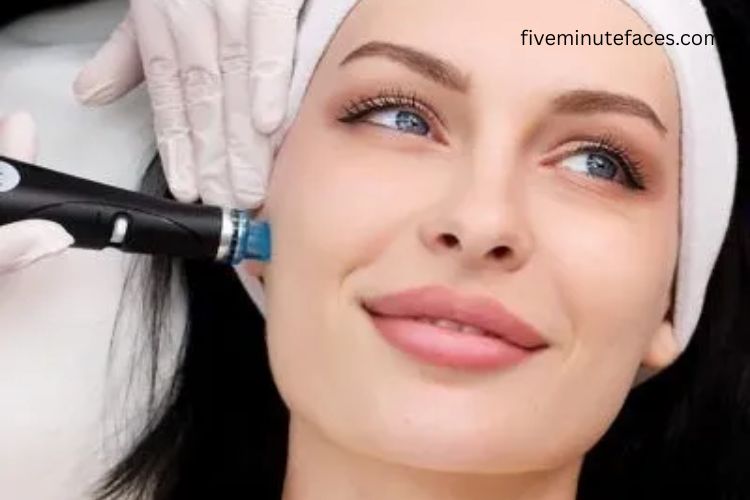
Momentum dominated the conversation at this year’s American Society for Dermatologic Surgery (ASDS) meeting in Chicago. Across sessions, exhibit halls and private discussions, one message was clear: aesthetic dermatology is evolving rapidly, with smarter technology, refined techniques and a growing emphasis on results that look entirely natural. From advanced resurfacing to regenerative care, the field is shifting toward precision, personalization and subtlety. Insights from leading dermatologists offer a revealing look at the innovations shaping aesthetic dermatology in 2026.
Smarter, Deeper and More Controlled Resurfacing
Next-generation resurfacing technologies are redefining how dermatologists approach skin renewal. Traditional fractionated lasers and microneedling remain foundational, but newer devices are pushing deeper into the skin with improved accuracy and faster recovery times. These advanced systems allow physicians to stimulate collagen remodeling more effectively while minimizing downtime.
The latest resurfacing platforms are especially impactful for challenging concerns such as perioral wrinkles, enlarged pores and textural irregularities. By targeting deeper layers of the dermis with greater control, dermatologists can deliver noticeable improvement without the prolonged healing once associated with aggressive resurfacing. This balance between power and safety is making advanced resurfacing more accessible to a wider range of patients.
Laser Coring Emerges as a Powerful Tool
Laser coring is gaining attention as one of the most talked-about advancements in aesthetic dermatology. Unlike traditional resurfacing, laser coring removes tiny columns of tissue to stimulate significant collagen production while preserving surrounding skin. This approach offers dramatic results with less overall trauma.
New laser platforms now allow practitioners to customize treatments, ranging from light, no-downtime laser peels to deeper resurfacing sessions. While recovery remains a consideration, ongoing improvements in technique and technology are steadily enhancing safety and predictability. As protocols continue to evolve, laser coring is expected to become a mainstream option for patients seeking visible rejuvenation without surgery.
Devices Designed for Every Skin Type
Versatility has become a defining feature of modern aesthetic devices. Dermatologists are increasingly prioritizing technologies that safely and effectively treat all skin tones, depths and textures. This shift reflects both clinical necessity and changing patient demographics.
Single-platform systems that can be adjusted for different concerns and skin types offer significant advantages. They reduce the need for multiple devices while improving consistency of care. For patients with diverse backgrounds, this means greater access to advanced treatments with reduced risk of pigmentation issues or uneven outcomes. In 2026, inclusivity is no longer optional—it is a standard expectation.
Artificial Intelligence Enhances Precision and Predictability
Artificial intelligence is quietly transforming aesthetic dermatology, particularly in laser-based treatments. AI-assisted devices now analyze spatial positioning, pulse timing and treatment endpoints in real time. This ensures evenly distributed energy delivery, resulting in more predictable outcomes and enhanced safety.
By reducing variability, AI helps standardize treatments while still allowing physicians to customize settings based on individual skin needs. The technology also shortens learning curves for practitioners and improves patient confidence. As AI continues to integrate into aesthetic devices, its role in improving accuracy and consistency will only expand.
Advanced Imaging Redefines Skin Quality Assessment
Patient expectations are becoming increasingly data-driven, and aesthetic dermatology is responding with more sophisticated imaging and analysis tools. Modern systems now evaluate skin quality beyond surface appearance, measuring factors such as pore size, pore shape, texture uniformity and overall skin integrity.
These tools allow dermatologists to track subtle changes over time and objectively assess treatment outcomes. By quantifying improvements that were once subjective, physicians can better educate patients and tailor treatment plans with precision. As definitions of “skin quality” become more refined, imaging technology will play a central role in guiding both treatment selection and long-term care strategies.
The Era of Undetectable Aesthetic Results
Perhaps the most influential trend shaping aesthetic dermatology in 2026 is the demand for results that are completely undetectable. Patients increasingly want to look refreshed, rested and youthful—without any visible signs of intervention.
This shift has sparked a broader conversation about technique versus product. While some treatments are marketed as more “natural,” experts emphasize that outcomes depend far more on injector skill, anatomical understanding and restraint than on the material itself. Overcorrection and improper placement remain the true causes of unnatural results.
The movement toward subtlety also reflects a more educated patient population. Individuals are seeking providers who prioritize balance, proportion and individualized planning. In this new era, success is defined by what others cannot see.
Rethinking Fillers and Injection Practices
Concerns about filler migration and overfilling have fueled a reassessment of injection practices. Rather than abandoning fillers altogether, dermatologists are refining how and where they are used. The consensus is clear: migration is typically the result of excessive volume or poor technique, not the product itself.
Modern approaches emphasize conservative dosing, precise placement and a deep understanding of facial anatomy. By treating fillers as tools rather than solutions, providers can achieve results that integrate seamlessly with a patient’s natural features. This philosophy aligns with the broader trend toward undetectable enhancement.
Regenerative Treatments and Longevity-Based Care
Looking beyond surface-level improvements, aesthetic dermatology is increasingly intersecting with regenerative medicine and longevity science. Treatments aimed at stimulating the body’s own repair mechanisms are gaining traction, offering benefits that extend beyond appearance.
Advances in understanding cellular aging, inflammation and DNA damage are opening new possibilities for prevention-focused care. Dermatologists are exploring therapies that address skin aging at a biological level, potentially slowing or reversing key processes associated with time and environmental stress.
Longevity-based dermatology also encourages earlier intervention. By identifying genetic and cellular markers of aging, physicians may one day tailor treatment plans long before visible damage appears. This proactive approach represents a significant shift from correction to prevention.
A More Holistic Vision for Aesthetic Care
As the field evolves, aesthetic dermatology is becoming more holistic in scope. In-office procedures are increasingly complemented by lifestyle guidance, systemic therapies and long-term skin health strategies. Patients are no longer seeking isolated treatments but comprehensive plans that support lasting results.
This integrated model reflects a deeper understanding of how skin health connects to overall wellness. By addressing internal and external factors simultaneously, dermatologists can deliver outcomes that are both aesthetically pleasing and biologically meaningful.
What the Future Holds for 2026 and Beyond
The innovations shaping aesthetic dermatology in 2026 point toward a future defined by precision, personalization and restraint. Technology is becoming smarter, treatments more inclusive and results more natural. At the same time, regenerative science and longevity research are expanding the boundaries of what aesthetic care can achieve.
For patients, this means safer procedures, better outcomes and treatments that align with individual goals rather than trends. For providers, it signals a continued emphasis on education, technique and thoughtful adoption of new technologies.
Aesthetic dermatology is no longer about transformation—it is about refinement. As the industry moves forward, the most successful approaches will be those that enhance natural beauty while preserving authenticity, proving that the most powerful results are often the ones no one notices.
Frequently Asked Questions:
What are the top aesthetic innovations dermatologists are focusing on in 2026?
In 2026, dermatologists are prioritizing advanced resurfacing devices, laser coring, AI-assisted tools, versatile systems for all skin types, new imaging technologies, ultra-natural results, and regenerative treatments that combine anti-aging with longevity care.
How is resurfacing technology changing in 2026?
Next-generation resurfacing devices remodel collagen with more depth and precision. These treatments improve wrinkles, enlarged pores, and skin texture while reducing recovery time, offering more effective results than traditional lasers or microneedling alone.
What is laser coring and why is it important?
Laser coring is a technique that removes tiny columns of skin to stimulate collagen production and rejuvenate the skin. It can be customized for light, no-downtime treatments or deeper resurfacing, making it a versatile option for patients seeking noticeable results.
Are there devices suitable for all skin types?
Yes, 2026 focuses on versatile systems that safely treat multiple skin tones, textures, and depths. These devices allow dermatologists to provide tailored care without needing multiple platforms, ensuring consistent and inclusive treatment outcomes.
How is AI used in aesthetic dermatology?
AI-assisted devices enhance precision and predictability by analyzing treatment areas, adjusting pulse timing, and ensuring even energy distribution. This results in safer, more efficient treatments and helps providers achieve consistent, natural-looking results.
What role does imaging technology play in skin assessment?
Advanced imaging tools allow dermatologists to objectively measure skin quality, including pore size, shape, and texture. These tools help track progress over time, guide treatment plans, and deliver more data-driven, personalized care.
What does “undetectable results” mean in 2026 aesthetic trends?
Undetectable results focus on subtle, natural-looking improvements that do not appear “treated.” Achieving this depends on expert technique, precise placement, and patient-specific planning rather than just the type of product used.
Conclusion
The future of aesthetic dermatology is defined by innovation, precision, and subtlety. From next-generation resurfacing and laser coring to AI-assisted devices and regenerative treatments, the industry is moving toward smarter, safer, and more personalized solutions. Patients in 2026 can expect treatments that deliver natural, undetectable results while supporting long-term skin health and longevity. For dermatologists, these advancements offer the tools to elevate care, improve outcomes, and meet the growing demand for tailored, effective, and inclusive aesthetic solutions. As technology and science continue to evolve, one thing is clear: the most impactful results are those that enhance beauty seamlessly, confidently, and naturally.