
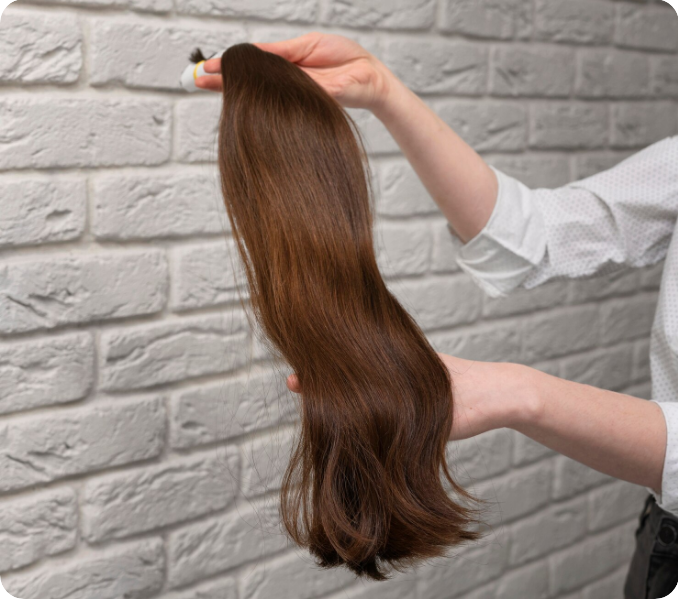
Hair extensions are one of the biggest investments you can make in your look. A good set lasts months, changes how you get ready in the morning, and gives you length or thickness that your natural hair might never achieve on its own. But there’s a side of extensions that nobody really warns you about until you’re already sitting in the chair getting your first install.
If you skip the routine, the hair tangles at the root. The extensions that cost you a few hundred dollars start looking rough within weeks, not months. This is exactly why good hair extensions hold their value and bad ones don’t. The install is only half the job; the care you put in at home is the other half.
Hair Salon like AltaRd Salon LLC in Centerville, the stylists walk every client through home care the same day they do the install. It’s the reason clients come back for move-ups with extensions that still look like the day they got them. This guide pulls that routine together in one place so you know exactly what to do between visits.
Know the Kind of Extension
Before anything else, make sure you know which method your stylist used. Hand-tied wefts, I-tips, K-tips, tape-ins, and beaded rows all have slightly different care rules. The weight, the attachment point, and the spacing between rows all affect what you can and can’t do at home.
Ask your stylist for written aftercare notes before you leave. Most salons will email or text them to you. For example, AltaRd Salon LLC did your install, your stylist will go through this in person at checkout, including which brush to buy and which products to keep off your head.
Washing is Important
You can’t scrub extensions the way you scrub your natural hair. The friction tangles the wefts and weakens the bonds. Wet hair is also at its most fragile, so rough handling during a shower is when most damage occurs.
Wash two or three times a week, not every day. Use a sulfate-free shampoo made for chemically treated hair. Apply the shampoo to your scalp and let it rinse through to the lengths. Never pile your hair on top of your head and scrub in circles. Gentle, straight-down motions only.
Conditioner goes on the mid-lengths and ends, never on the roots near the bonds. Conditioner near the attachment points breaks them down faster. Rinse thoroughly. Leftover product sits in the wefts and causes buildup you’ll notice at your next appointment.
The American Academy of Dermatology offers solid general guidance on hair care habits that cause damage.
Drying and Brushing
After washing, squeeze out the excess water with a microfiber towel or an old cotton t-shirt. Never twist or wring. Apply a leave-in conditioner and a heat protectant if you’re going to blow-dry.
Air drying is fine for natural hair, but wet extensions sitting against your scalp for hours can cause mildew at the bonds. Rough-dry the roots on low heat until they’re fully dry, then let them air-dry if you prefer.
Brushing is where many new extension clients get into trouble. Buy a loop brush or an extension-safe brush. Start at the ends and work up in sections, holding the hair above the bonds with your other hand so you’re not pulling on the attachment points. Brush your hair in the morning and at night.
Sleep Care Matters
Put your hair in a loose braid or a low ponytail before bed. This stops the extensions from rubbing against your pillow all night and matting at the nape of your neck. A silk or satin pillowcase reduces friction further and also helps your natural hair.
If you go to sleep with wet hair, you’ll wake up with tangles that take forever to work out. Dry your hair before bed, every time.
Dayton-Area Lifestyle
For Centerville locals, the Dayton Mall area has plenty of gyms, yoga studios, and summer pool access at the Washington Township RecPlex and various HOA pools in Bellbrook and Kettering. All of these are hard on extensions.
Rinse your hair in clean tap water before getting in any pool. This keeps chlorine from soaking in. After you swim, rinse immediately and follow up with a gentle shampoo that same day. For the gym, tie your hair up in a loose bun and wash the same day you sweat through a workout.
The FDA publishes guidance on cosmetic hair products, including dyes, relaxers, and treatments. If you ever plan to add color to your extensions, check with your stylist before doing anything at home. Box dye can destroy high-end extensions in one application.
Book your Move-Up on Time
Every method has its own timeline. Hand-tied rows usually need a move-up every 6 to 8 weeks. I-tips and K-tips run 8 to 10 weeks. Tape-ins sit around 6 to 8 weeks. Skip the window, and you’ll end up with matting at the scalp, which is painful to fix and can sometimes lead to hair loss.
