
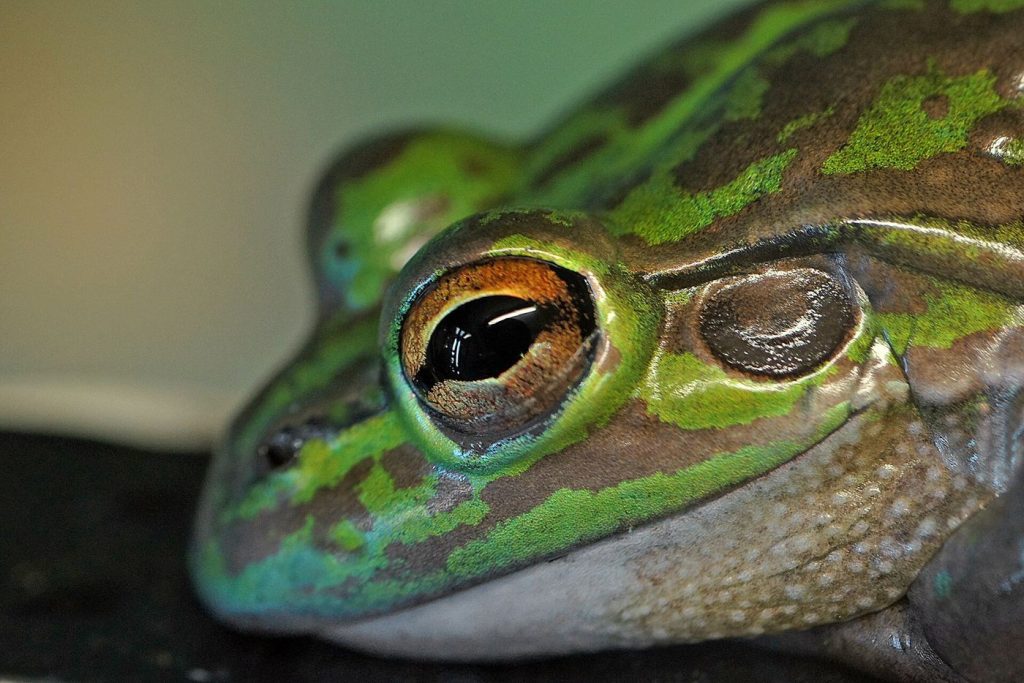
What scientists long called the Alpine newt has turned out to be five different species, following genetic research by Leiden University biologists reported on 12 November 2026. One species was entirely new to science and has now been named Mesotriton similis, with the proposed English name Vlasina Alpine newt. It was found on the Vlasina Plateau on the border between Serbia and Bulgaria, and formally described in the taxonomic journal Zootaxa. The animals look almost identical to the human eye but can be clearly distinguished by their DNA. The discovery was reported by Leiden University and originally appeared on Nature Today, underlining how genetic research continues to reveal hidden diversity even among familiar European animals.
What the Evidence Shows
The five species are cryptic species, animals that appear the same but are genetically distinct. Biologist Ben Wielstra of Naturalis and Leiden University explained that mating with other Alpine newt species produces offspring that are much less likely to survive. The new species is also the rarest Alpine newt in Europe. Because of its limited range and small population, it is highly vulnerable to pollution, habitat degradation and the introduction of fish. The authors have left open the possibility that the species may be renamed. The authors propose Vlasina Alpine newt as the English name for the new species, and the work shows how animals that look identical can be reproductively separated, with hybrid offspring far less likely to survive into adulthood. Reporting and analysis from sources such as Nature track the same developments, and specialists following the Vlasina Alpine newt Mesotriton similis say the direction is now consistent across independent lines of evidence.
The Wider Context
The wider context is a research landscape in which replication and open data now decide reputations. Findings connected to the Vlasina Alpine newt Mesotriton similis are being checked by independent groups with shared datasets, and the teams involved publish their methods in full so rivals can test every step. That discipline is slower than a headline cycle, but it is why results in this area increasingly survive first contact with scrutiny.
What Happens Next
What happens next in the story of the Vlasina Alpine newt Mesotriton similis will be decided by follow-up work already under way: larger samples, longer observation and instruments that have not yet come online. The researchers involved are unusually united on one point, that the current results justify the next investment of time and money. Readers will not have to wait long for the first tests of that claim. You can follow related developments in our coverage of science.
None of this will be settled by a single announcement, study or product launch. The pattern to watch is accumulation: independent confirmations, honest reporting of failures and steady improvement in the underlying numbers. Readers who follow those signals, rather than the loudest claim of the week, will understand this subject better than most of the commentary surrounding it suggests is possible.
