
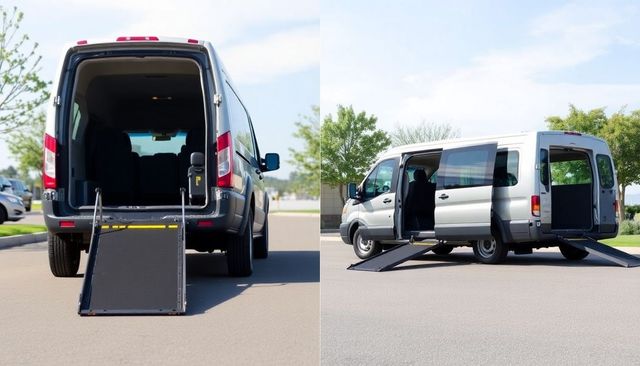
Choosing a suitable vehicle is an important decision for individuals and families who require wheelchair accessibility. The right vehicle can make everyday travel more comfortable, support greater independence and simplify journeys to appointments, work, social activities and family outings.
A wheelchair-accessible vehicle is designed to accommodate wheelchair users while providing suitable space for entering, exiting and travelling safely. However, not all accessible vehicles have the same layout. Two common configurations are rear-entry and side-entry designs, each offering different benefits depending on the wheelchair user’s needs, vehicle requirements and intended use.
Understanding how these two options differ can help buyers make a more informed decision. Factors such as parking space, passenger seating, wheelchair positioning, ramp access and the number of people travelling regularly should all be considered before selecting a vehicle.
Understanding Wheelchair-Accessible Vehicles
A wheelchair-accessible vehicle is modified or specifically designed to allow a person using a wheelchair to enter, travel and exit without needing to transfer into a conventional car seat.
These vehicles may include features such as:
- Wheelchair ramps or lifts.
- Modified vehicle floors.
- Secure wheelchair restraint systems.
- Additional interior space.
- Accessible seating arrangements.
- Suitable headroom and entry clearance.
- Safety belts and passenger restraints.
The configuration depends on the vehicle model and conversion design. Some vehicles allow wheelchair users to remain seated in their wheelchair during travel, while others may offer different transfer and seating arrangements.
When comparing accessible van options for wheelchair users, it is important to consider how the vehicle will be used every day rather than focusing only on its external appearance or purchase price.
What Is a Rear-Entry Wheelchair Van?
A rear-entry wheelchair van provides wheelchair access through an opening at the back of the vehicle. A ramp or lift is generally installed at the rear, allowing the wheelchair user to enter through the back door.
This configuration is often considered by individuals and families who need a practical vehicle for everyday transportation.
Benefits of Rear-Entry Access
Rear-entry vehicles offer several practical advantages:
- Convenient entry: Wheelchair users can enter through the rear without requiring access through a side door.
- Parking flexibility: Rear access can be useful when side parking space is limited.
- Straightforward ramp positioning: The ramp extends behind the vehicle, providing a direct entry path.
- Practical family transportation: Some configurations allow additional passengers to travel alongside the wheelchair user.
- Potentially lower conversion costs: Depending on the vehicle and conversion, rear-entry designs may be more affordable than certain side-entry alternatives.
Possible Limitations
Rear-entry access also has some limitations.
For example, the vehicle needs sufficient clearance behind it for the ramp to be deployed. This can be inconvenient in parking spaces where another vehicle is parked closely behind.
Wheelchair positioning and passenger seating arrangements may also be more restricted in certain models.
Before selecting a rear-entry vehicle, buyers should check whether the available interior space suits their wheelchair dimensions and regular passenger requirements.
What Is a Side-Entry Wheelchair Van?
A side-entry wheelchair van allows wheelchair users to enter through a modified side door. The ramp or lift is generally installed along the side of the vehicle.
This arrangement can provide different seating and wheelchair positioning options, depending on the vehicle design.
Benefits of Side-Entry Access
Side-entry vehicles can offer several advantages:
- Convenient passenger access: Wheelchair users can enter through the side of the vehicle.
- Flexible seating arrangements: Some models allow wheelchair users to travel in different positions within the vehicle.
- Suitable for certain parking situations: Side access can be practical where rear clearance is limited.
- Passenger interaction: Depending on the layout, wheelchair users may be positioned closer to other passengers.
- Different vehicle configurations: Side-entry conversions may provide additional choices for families with specific seating requirements.
Possible Limitations
Side-entry vehicles require enough space beside the vehicle to deploy the ramp or lift safely.
This may create challenges in narrow parking spaces or locations where other vehicles are parked close to the passenger side.
The conversion may also involve different structural modifications and costs depending on the vehicle model.
Buyers should consider the usual parking environment and check whether side access will be practical for their everyday journeys.
Rear-Entry vs Side-Entry: Key Differences
Both configurations can provide safe and practical wheelchair access when appropriately designed and installed. However, their layouts and access requirements are different.
| Feature | Rear-entry van | Side-entry van |
| Access location | Rear of the vehicle | Side of the vehicle |
| Ramp direction | Extends behind the vehicle | Extends beside the vehicle |
| Parking consideration | Requires rear clearance | Requires side clearance |
| Seating arrangements | Depends on rear-entry layout | May offer different wheelchair positioning options |
| Everyday use | Can suit family and general transport needs | Can suit users requiring particular seating arrangements |
| Conversion options | Depends on vehicle model | Depends on vehicle model |
The most suitable option depends on the wheelchair user’s mobility requirements, vehicle preferences and typical travel arrangements.
Important Factors to Consider Before Buying
Choosing between rear-entry and side-entry access involves more than comparing the two ramp positions. Buyers should evaluate several practical factors before making a purchase.
1. Wheelchair Dimensions and Interior Space
The vehicle must provide sufficient space for the wheelchair, including its width, length and overall height.
Buyers should check the available entry clearance and interior dimensions before choosing a conversion.
It is also important to consider whether the wheelchair user will have sufficient headroom and comfortable positioning during travel.
2. Parking and Daily Accessibility
Think about where the vehicle will normally be parked.
If the vehicle is regularly used in narrow parking areas, rear-entry access may be more practical in some situations. However, if rear clearance is limited, a side-entry configuration may be more suitable.
The actual parking environment should guide the decision.
3. Ramp or Lift Requirements
Some wheelchair-accessible vehicles use manual ramps, while others may have powered ramps or lifts.
Buyers should consider:
- How easy the ramp is to operate.
- The ramp’s weight capacity.
- The available ramp width.
- The entry angle.
- Whether assistance is required.
- Maintenance and operating requirements.
The ramp or lift should be suitable for the wheelchair user’s equipment and everyday requirements.
4. Passenger Seating Capacity
Families should consider how many people regularly travel in the vehicle.
Some conversions modify the original seating arrangement to accommodate a wheelchair. This can affect the number of available passenger seats.
Check the approved seating configuration and ensure that all occupants have suitable seating and restraints.
5. Safety and Wheelchair Restraints
Safety should be a priority when choosing any wheelchair-accessible vehicle.
The vehicle should have an appropriate wheelchair securement system and occupant restraint arrangements suitable for the conversion.
Buyers should also confirm that the vehicle and modifications comply with applicable Australian vehicle safety requirements.
6. Budget and Ongoing Maintenance
The purchase price is only one part of the overall cost.
Buyers should also consider conversion costs, insurance, servicing, ramp maintenance and any replacement parts that may be required.
Comparing the complete ownership cost can help families select an option that suits their budget over the longer term.
How to Test a Wheelchair Van Before Making a Decision
A practical demonstration can help buyers understand whether a vehicle is suitable for their requirements.
Before purchasing, consider arranging an inspection or demonstration and checking the following:
- Test the ramp or lift operation.
- Check the entry width and available headroom.
- Confirm that the wheelchair fits comfortably.
- Review the wheelchair restraint system.
- Check passenger seating arrangements.
- Consider how the vehicle performs in regular parking situations.
- Ask about servicing, warranty and maintenance.
- Confirm the vehicle’s modification and compliance documentation.
Where possible, the wheelchair user should be involved in the assessment so that comfort, access and positioning can be evaluated directly.
Making the Right Choice for Your Travel Needs
Rear-entry and side-entry wheelchair vans both offer practical solutions for accessible transportation. Rear-entry designs can be useful where access behind the vehicle is available, while side-entry models may provide different seating and positioning arrangements.
There is no single configuration that suits every wheelchair user. The right choice depends on individual mobility requirements, wheelchair dimensions, passenger needs, parking conditions and budget.
Before making a purchase, compare both configurations carefully and arrange a practical demonstration. Understanding the differences between entry styles can help families and wheelchair users choose a vehicle that supports comfortable, convenient and reliable everyday travel.
