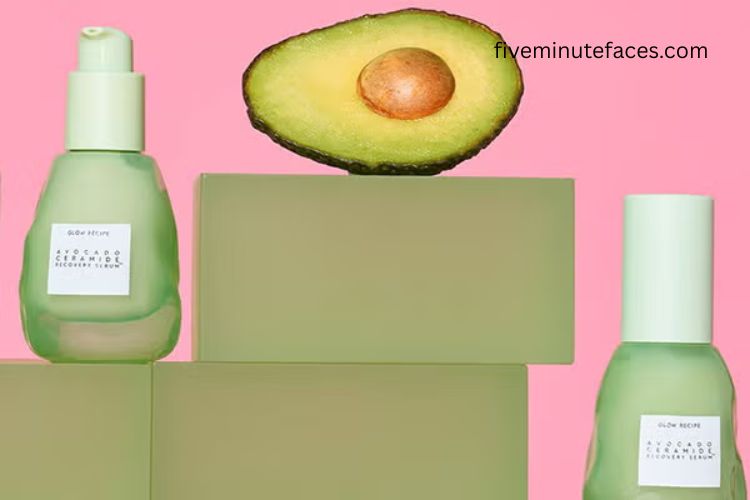
Whether or not you’ve noticed the trend of “eating your skincare” all over social media, the concept that diet profoundly affects your skin isn’t new. The challenge lies in understanding how to pair the right nutrition with effective topical care. Can consuming vitamins truly transform your complexion? Which skincare ingredients complement your diet to deliver radiant skin?
We spoke with nutritionist and author of The Unprocessed Plate, Rhiannon Lambert, to separate fact from hype and explore how food and skincare work together for a glowing, healthy complexion.
Read More: The Ultimate Beauty Secrets We’ve Tested Over 10 Years… And Still Swear By!
How Food Impacts Your Skin
“Our skin is the body’s largest organ, and like every other organ, it relies on consistent hydration,” explains Rhiannon. “Its health is directly linked to what we eat because every process in the skin—from repair and renewal to protection against ageing and inflammation—depends on nutrients.”
Proteins serve as building blocks for collagen and keratin, while vitamins and trace minerals act as antioxidants and co-factors for repair. Water is essential for hydration and maintaining the skin barrier, and trace elements like zinc, copper, and selenium influence immunity, elasticity, and protection against oxidative stress.
On the flip side, high intakes of sugar, saturated fats, and alcohol can disrupt gut balance, accelerate ageing, and impair repair through oxidative stress, glycation, and inflammation. In short, your diet forms the foundation of healthy, youthful skin.
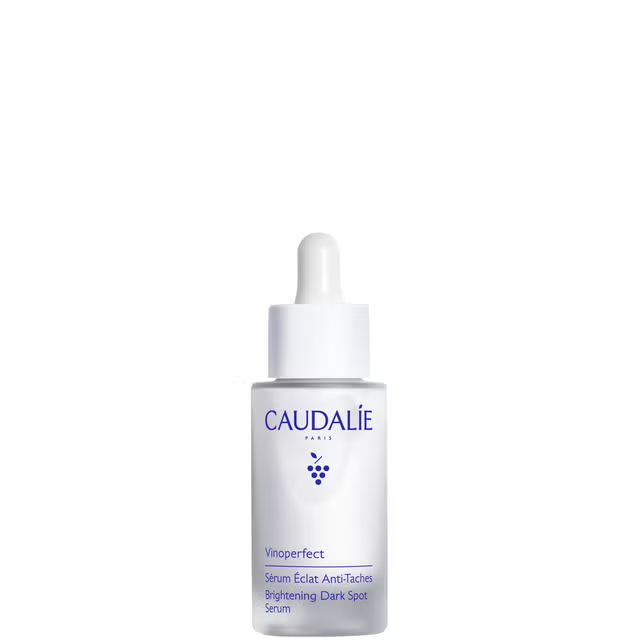
However, food alone isn’t enough. Topical skincare protects the skin from daily environmental stressors like sun, pollution, and premature ageing. Combining diet and skincare provides the ultimate 360° approach to skin health.
Key Nutrients for Skin Health
Certain nutrients play a particularly crucial role in maintaining healthy, glowing skin.
Omega-3 Fatty Acids
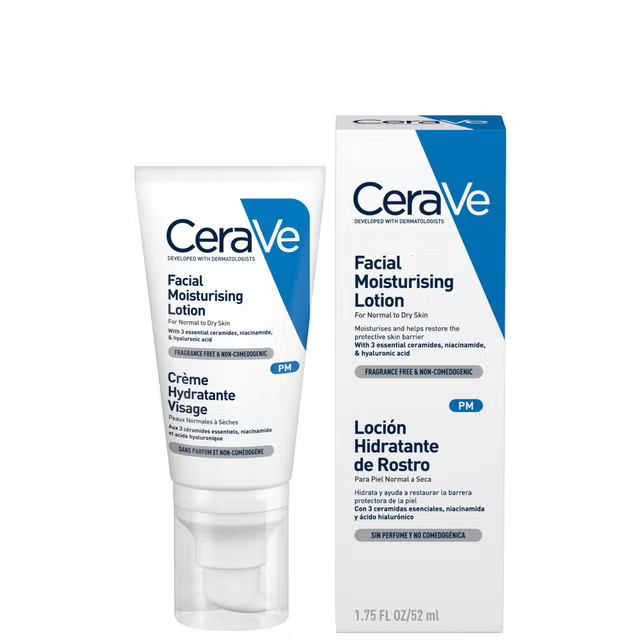
Omega-3s integrate into cell membranes and reduce inflammation, supporting hydration and improving conditions such as dryness and acne. Sources include salmon, walnuts, and flaxseeds. On the skincare side, look for moisturizers rich in ceramides and essential fatty acids to strengthen the skin barrier.
Vitamin C
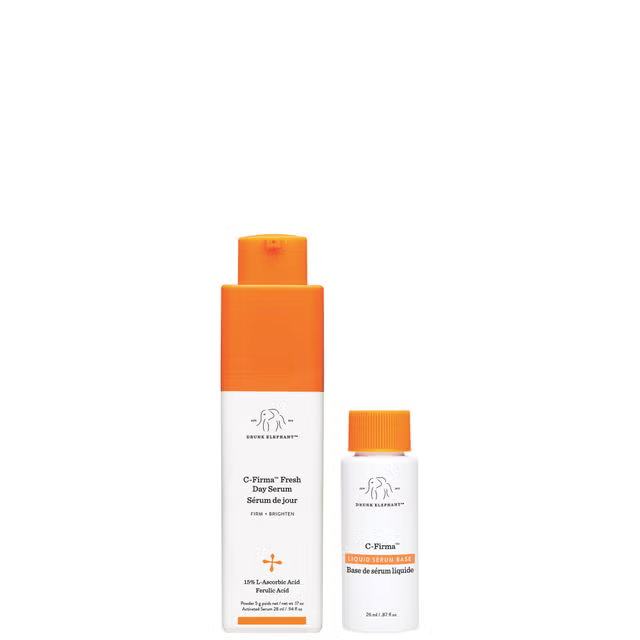
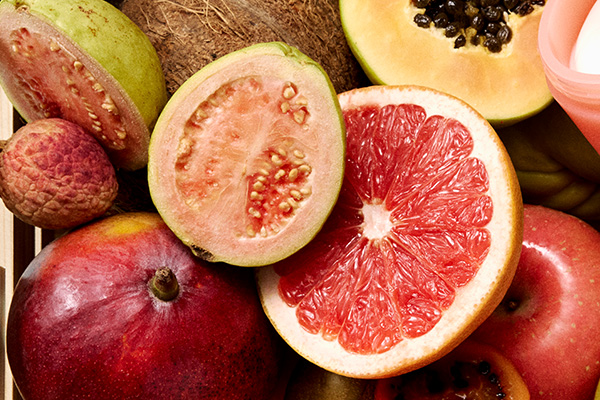
Vitamin C is vital for collagen synthesis and acts as a powerful antioxidant, protecting against oxidative stress and supporting skin repair. Citrus fruits, berries, and peppers are excellent dietary sources. Topically, vitamin C serums help brighten and firm the skin, delivering concentrated benefits directly to the complexion.
Vitamin E
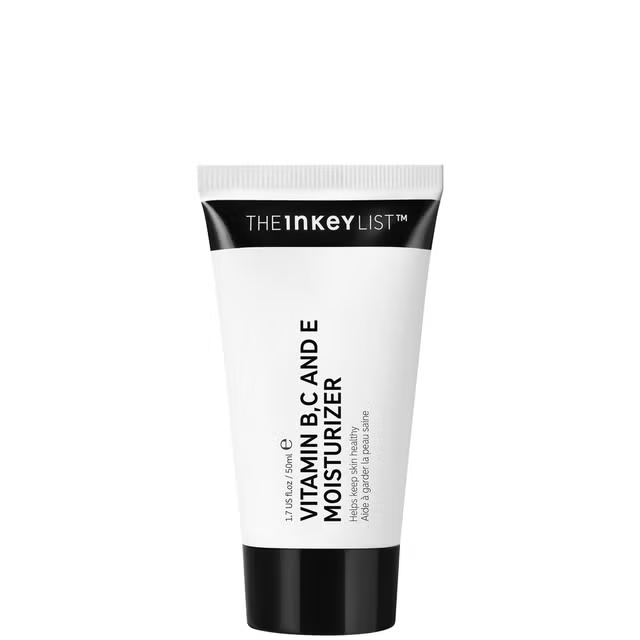
Vitamin E is a fat-soluble antioxidant abundant in nuts, seeds, and plant oils. It protects cell membranes and works synergistically with vitamin C to neutralize free radicals. Incorporating vitamin E-rich moisturizers helps reinforce the skin’s natural defenses.
Zinc & Copper
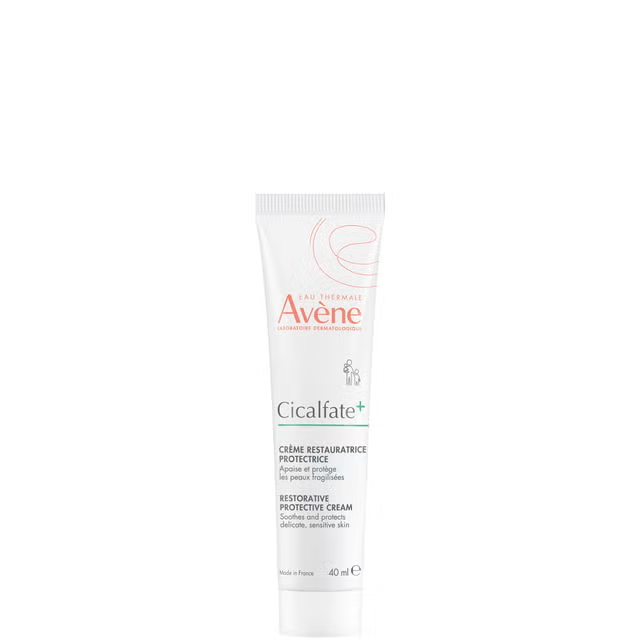
Trace minerals like zinc and copper also play critical roles. Zinc supports keratinocyte development, while copper contributes to collagen stability and elasticity. A diet including whole grains, beans, and seeds ensures adequate intake, while barrier creams help reinforce repair from the outside.
Eating vs. Applying Skincare
Can topical products replace the nutrients you consume? Not entirely. While they serve complementary functions, one cannot substitute for the other.
Dietary nutrients support skin structure systemically, influencing collagen production, immune defense, and cell turnover. Skincare, in contrast, works locally to hydrate, protect, and soothe the skin’s surface. Combining both ensures your skin is nourished, protected, and radiant from the inside out.
The best approach is a full-circle routine that addresses your specific skin concerns while maintaining a nutrient-rich diet.
Food-Inspired Skincare Trends
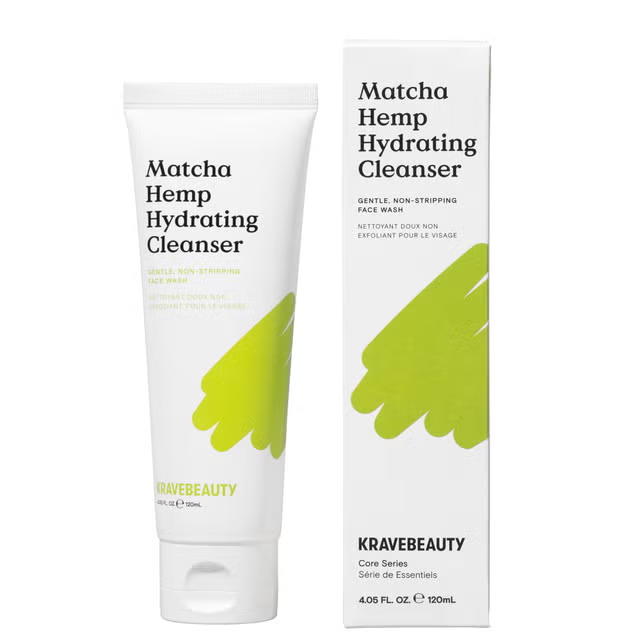
TikTok and Instagram have popularized food-infused skincare products—matcha serums, avocado creams, watermelon extracts, and turmeric oils. But how effective are these topical treatments compared to consuming the actual foods?
Rhiannon notes, “The strongest evidence supports the benefits of eating these foods because antioxidants and bioactive compounds are absorbed systemically, influencing overall health, including the skin. Consuming whole foods provides advantages beyond the skin. For instance, berries are rich in anthocyanins and fiber, supporting gut health and nutrient absorption, which in turn benefits skin health.”
Pairing food-inspired skincare with the actual foods themselves can amplify benefits, but diet remains the primary driver of internal health.
Building a Synergistic Skincare Routine
Achieving truly radiant skin requires a 360° approach that nourishes inside and out. Follow these key steps:
- Eat nutrient-rich foods: Include omega-3 fatty acids, antioxidants, vitamins, and minerals daily.
- Hydrate adequately: Aim for at least 2 liters of water daily to maintain hydration and support cellular function.
- Use targeted skincare: Incorporate serums and moisturizers that complement your diet, addressing hydration, barrier protection, and antioxidant needs.
- Protect your skin: Apply sunscreen daily to defend against environmental damage, pollution, and premature ageing.
By combining a balanced diet with evidence-based skincare, you maximize the benefits of both and ensure your skin remains healthy, glowing, and resilient.
Practical Tips for Everyday Skin Health
- Prioritize protein: Collagen and keratin formation relies on adequate dietary protein.
- Include antioxidant-rich fruits and vegetables: Citrus, berries, and leafy greens combat oxidative stress.
- Incorporate healthy fats: Nuts, seeds, avocado, and oily fish support hydration and reduce inflammation.
- Focus on trace minerals: Whole grains, beans, and seeds supply zinc, copper, and selenium.
- Hydrate consistently: Water, herbal teas, and water-rich fruits help maintain skin elasticity and glow.
- Customize skincare: Match serums and moisturizers to your skin type and concerns for best results.
Frequently Asked Questions:
How does diet affect the health and appearance of my skin?
Your skin relies on nutrients, hydration, and antioxidants from your diet to maintain elasticity, repair damage, and fight inflammation. Eating nutrient-rich foods supports collagen production, hydration, and overall skin resilience.
Can eating certain foods replace topical skincare products?
No. While diet lays the foundation for healthy skin, topical skincare protects against environmental damage, hydrates the skin, and supports targeted concerns like dark spots or dryness. Both work best together.
Are food-inspired skincare products effective?
Food-infused skincare can provide benefits on the skin’s surface, but consuming the actual foods ensures systemic absorption of antioxidants and nutrients, offering wider benefits including improved gut health and reduced inflammation.
How much water should I drink for healthy skin?
Aim for at least 2 liters (8 cups) of water daily. Hydration supports skin elasticity, barrier function, and overall radiance.
Can a poor diet be “fixed” with skincare alone?
No. Skincare cannot fully counteract the effects of a nutrient-poor diet. A balanced diet combined with a proper skincare routine is essential for long-term skin health.
What is the best approach for glowing skin?
A 360° approach works best: eat nutrient-dense foods, stay hydrated, protect your skin with sunscreen, and use targeted skincare products to maintain hydration, repair, and antioxidant support.
How quickly can I see results from diet changes?
Some improvements, like reduced dryness or inflammation, may appear in a few weeks. Long-term benefits, including elasticity and reduced ageing signs, often take several months of consistent diet and skincare care.
Conclusion
Radiant, healthy skin starts from within. Your diet provides the essential nutrients, antioxidants, and hydration your skin needs to repair, protect, and glow. While topical skincare is crucial for daily protection and targeted treatments, it works best when paired with a nutrient-rich, balanced diet. By combining wholesome foods, adequate hydration, and effective skincare products, you create a holistic, 360° routine that supports your skin’s structure, elasticity, and overall radiance. Remember, beauty isn’t just what you apply—it’s what you nourish your body with every day. Prioritize your diet, protect your skin, and watch your complexion transform from the inside out.