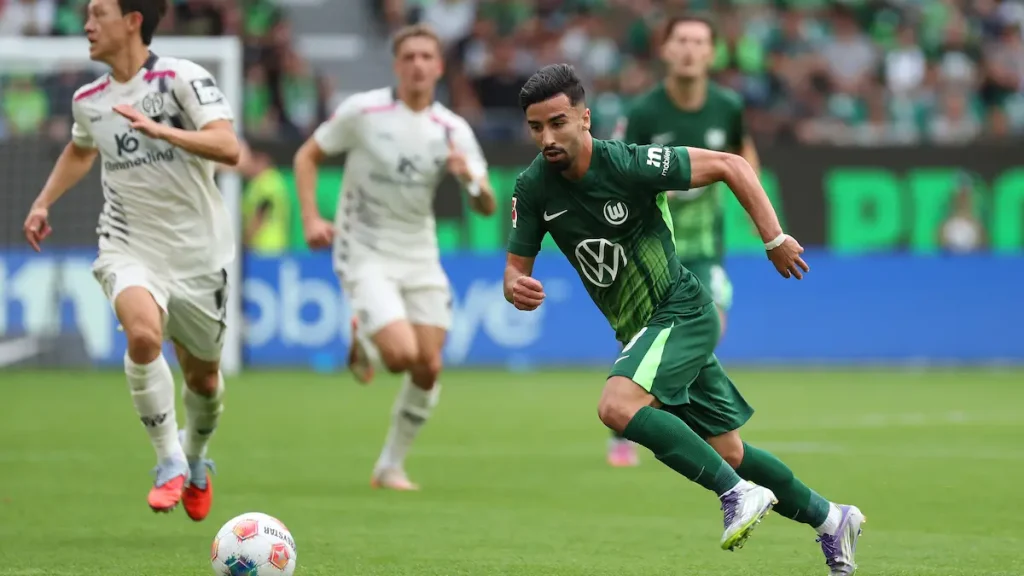
Player fitness plays a crucial role in shaping team performance in the Bundesliga. With its high-pressing style, intense transitions, and compact fixture scheduling, even slight dips in physical readiness can lead to dramatic shifts in match outcomes. This article explains how to analyze Bundesliga player fitness before matches and how doing so can inform smarter predictions, tactical assessments, and betting decisions.
Why Player Fitness Matters in the Bundesliga
Bundesliga football is physically demanding. Teams rely on dynamic movements, fast counters, and aggressive pressing. When key players are not fully fit, the team’s intensity drops, reducing chances of success.
Fitness not only affects individual performance but also influences tactical coherence. A tired midfielder may fail to close space, or a partially recovered striker may struggle to press effectively—both scenarios can tilt a game.
Key Signs That Indicate a Player May Not Be Fully Fit
Before kickoff, several indicators help assess whether a player is ready for top-level performance.
Return from Injury or Lack of Minutes
If a player is recently back from injury, they may not be match-fit despite being on the team sheet. Similarly, players with minimal minutes in previous matches may lack rhythm and sharpness.
Sudden Rotation in Starting XI
Unexpected benching of regular starters often signals workload management or minor physical concerns. Monitoring official press conferences and training reports can reveal these fitness-related decisions.
Sources for Reliable Fitness Information
To properly assess Bundesliga player fitness, bettors and analysts should use multiple information sources that go beyond basic injury lists.
Team News from Official Club Channels
Bundesliga clubs often provide updates through press conferences, interviews, or official social media accounts. Tracking this information early in the week and on matchday is key.
Independent Sports Journalists and Local Media
Local reporters often have access to training sessions and provide insights not mentioned by national outlets. These sources are particularly useful for mid-table and lower-tier Bundesliga clubs.
Using Fitness Data to Predict Tactical Impact
Player fitness directly affects how a coach sets up a match. Understanding this impact allows for better interpretation of potential outcomes.
Reduced Pressing and Defensive Cover
If multiple players are fatigued, expect less aggressive pressing and more reliance on deep blocks. This often leads to slower matches and fewer scoring chances.
Key Absences Affecting Game Plans
When a key winger or central midfielder is unfit, the team may switch formations, reduce width, or play with added defensive cover. These tactical shifts influence match rhythm and result probability.
Integrating Fitness Analysis into Betting Strategy
Accurately evaluating player fitness can reveal value in betting markets such as total goals, handicaps, and halftime results.
Example: Backing Unders When Fitness Drops
If both teams show signs of reduced fitness—due to fixture congestion or missing midfielders—expect lower intensity and a stronger case for under 2.5 goals.
Fading Overvalued Favorites with Fitness Concerns
Top teams with fitness issues may still be listed as strong favorites. Recognizing this imbalance allows bettors to target +0.5 or double chance markets for the underdog.
Tools That Support Fitness-Based Analysis
Modern data platforms and advanced analytics provide tools that track workload, player availability, and matchday fitness projections.
An effective strategy involves cross-referencing past match performances with fatigue metrics, substitution patterns, and recovery cycles. Platforms like ufabet เข้าสู่ระบบ support this approach by offering real-time injury updates, player rotation history, and data visualizations that highlight fatigue-prone players. With these tools, users can measure how fitness trends shift tactical setups and game outcomes—especially when considering matches affected by European commitments or midweek domestic fixtures.
Common Pitfalls When Evaluating Fitness
Many bettors make the mistake of relying solely on lineup announcements. Just because a player starts doesn’t mean they’re fully fit. Overlooking match sharpness or ignoring past workload can lead to inaccurate assessments.
Conclusion: Fitness Analysis as a Strategic Edge
Analyzing Bundesliga player fitness before matches is more than a precaution—it’s a competitive advantage. By studying training updates, rotation trends, and the tactical implications of fatigue, bettors and analysts gain deeper understanding of how games unfold.
Whether you’re evaluating total goals, predicting upsets, or interpreting lineups, fitness analysis offers the nuance needed to move beyond basic statistics. In a physically intense league like the Bundesliga, understanding player condition is often the difference between winning and missing the mark.