
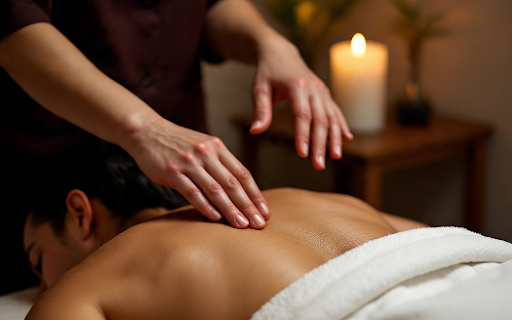
Massage therapy has gained widespread popularity as a natural way to reduce stress, relieve muscle tension, improve flexibility, and support overall well-being. For beginners or first-time clients, however, the idea of stepping into a massage studio can feel intimidating. https://www.kakaochuljang.com/gangnam Questions often arise: What type of massage is right for me? How should I prepare? What can I expect during a session? Understanding the basics of massage therapy can help newcomers feel confident, relaxed, and ready to experience its benefits.
This article serves as a simple guide for beginners and first-time clients, covering the different types of massage, preparation tips, what to expect during a session, and how to maximize the benefits of this holistic wellness practice.
Understanding Massage Therapy
At its core, massage therapy is the manipulation of muscles, soft tissues, and connective tissues to promote relaxation, relieve pain, and enhance physical and mental health. It is a practice that has been used for thousands of years across cultures—from traditional Chinese medicine to Ayurvedic therapy and European methods.
Massage therapy addresses both physical and emotional well-being. Physically, it improves circulation, reduces muscle tension, and supports flexibility and mobility. Mentally and emotionally, massage can reduce stress, elevate mood, and enhance mental clarity. For beginners, understanding that massage is not just a luxury but a therapeutic practice designed to support overall wellness can help set realistic expectations.
Types of Massage for Beginners
There are many styles of massage, each with unique techniques and goals. First-time clients may benefit from exploring different options to determine what suits their needs:
- Swedish Massage: Ideal for beginners, this technique uses long, gentle strokes, kneading, and circular movements on superficial muscles. It promotes relaxation, reduces mild tension, and is a great introduction to massage therapy.
- Deep Tissue Massage: Focuses on the deeper layers of muscle and connective tissue. While more intense than Swedish massage, it is beneficial for chronic tension or areas of tightness. Beginners can request lighter pressure for comfort.
- Sports Massage: Designed for athletes or active individuals, it combines deep tissue work, stretching, and techniques to improve flexibility and recovery. It can be adapted for beginners who want to relieve muscle soreness.
- Shiatsu: Originating from Japan, Shiatsu involves applying pressure to specific points along the body’s energy pathways to promote balance and relaxation. It is often done on a mat with clothing on, making it approachable for first-timers.
- Hot Stone Massage: Uses smooth, heated stones to warm muscles and enhance relaxation. It is ideal for those who enjoy a soothing, stress-relieving experience.
- Reflexology: Focuses on pressure points in the feet, hands, or ears, stimulating other areas of the body. It is a gentle and unique way to experience the benefits of massage.
Choosing the right type of massage depends on personal goals, physical condition, and comfort level. First-time clients should discuss their preferences and concerns with the therapist beforehand.
How to Prepare for Your First Massage
Preparation can make a first massage session more enjoyable and effective. Here are some tips for beginners:
- Hydrate: Drinking water before and after the massage helps flush out toxins released from muscles during the session.
- Avoid Heavy Meals: Eating a large meal right before a massage may cause discomfort. Light snacks are fine.
- Arrive Early: Arriving 10–15 minutes early allows time to complete any intake forms and settle into the relaxing environment.
- Dress Comfortably: Loose, comfortable clothing makes changing easier. Most massage studios provide a private space and towels for draping.
- Communicate Health Concerns: Inform your therapist of any medical conditions, injuries, allergies, or areas of discomfort. Open communication ensures a safe and personalized session.
- Set Your Intentions: Decide what you hope to achieve—stress relief, muscle tension release, flexibility, or general relaxation. Communicating these goals helps the therapist tailor the session.
What to Expect During a Massage Session
For first-time clients, understanding what will happen during a session can reduce anxiety and create a more enjoyable experience. While each massage may vary slightly depending on the therapist and type, here is a general outline:
- Initial Consultation: The therapist will ask questions about your medical history, areas of tension, and goals for the session.
- Preparation and Draping: You will be guided to a massage table and covered with a sheet or towel. Only the area being worked on is exposed at any given time.
- Massage Techniques: The therapist applies strokes, pressure, and movements appropriate for the chosen massage style. First-time clients should communicate comfort levels and ask for adjustments as needed.
- Duration: Most massages range from 30 to 90 minutes. Beginners may start with 30–60 minutes for a gentle introduction.
- Post-Massage Care: After the session, therapists often suggest hydration and light stretching. You may feel relaxed, energized, or slightly sore—this is normal and usually short-lived.
Tips for Maximizing Your First Massage
To gain the most from a massage, beginners can follow a few simple practices:
- Communicate Openly: Let the therapist know your comfort level, areas of tension, and preferred pressure. Adjustments are part of a professional massage.
- Breathe Deeply: Conscious breathing enhances relaxation and allows the therapist to work more effectively.
- Relax Mentally: Try to focus on the sensations and let go of distractions. 서초구 출장 가격 Mindfulness enhances both physical and emotional benefits.
- Follow-Up Care: Gentle stretches, hydration, and rest support the body’s healing and relaxation process.
- Be Consistent: Regular massage sessions provide cumulative benefits, including improved muscle function, stress reduction, and overall wellness.
Common Myths About Massage
For beginners, misconceptions may create hesitation. Understanding the facts can make the experience more approachable:
- “Massage Should Hurt to Work”: While some techniques, like deep tissue massage, may create mild discomfort, massage should never be painful. Therapists adjust pressure to your comfort.
- “It’s Only for Relaxation”: While relaxation is a major benefit, massage also supports pain management, flexibility, circulation, and mental clarity.
- “You Must Undress Completely”: Therapists use draping techniques to ensure privacy. You are comfortable choosing the level of undressing that suits you.
- “One Massage Fixes Everything”: Benefits accumulate over time. Regular sessions produce long-term results for tension, stress, and overall wellness.
- “It’s Only for Women”: Massage therapy is suitable for all genders, ages, and physical conditions. Its benefits are universal.
Safety Considerations for Beginners
While massage is generally safe, first-time clients should keep a few precautions in mind:
- Consult a Doctor: If you have chronic medical conditions, injuries, or are pregnant, check with a healthcare provider before starting massage therapy.
- Communicate Discomfort: Never hesitate to speak up if a technique or pressure feels uncomfortable.
- Avoid Heavy Exercise Immediately After: Gentle activity is fine, but strenuous exercise may reduce the relaxing benefits.
- Allergy Awareness: Some oils or lotions may cause reactions. Inform the therapist if you have allergies or sensitive skin.
By being proactive about safety, beginners can enjoy a stress-free and beneficial massage experience.
The Benefits First-Time Clients Can Expect
Even a single session can provide noticeable benefits for beginners:
- Reduced Muscle Tension: Relief in areas such as shoulders, neck, and back.
- Stress Relief: Immediate relaxation and decreased anxiety levels.
- Improved Circulation: Increased blood flow promotes energy and recovery.
- Enhanced Mental Clarity: A calmer mind and improved focus.
- Better Sleep: Relaxation supports more restful, restorative sleep.
Over time, regular sessions amplify these benefits, contributing to long-term physical, mental, and emotional wellness.
Conclusion
Massage therapy is a versatile and accessible form of holistic wellness suitable for beginners and first-time clients. By understanding the different types of massage, preparing properly, and communicating effectively with a therapist, newcomers can maximize the physical, mental, and emotional benefits of each session.
Whether the goal is stress reduction, relief from muscle tension, improved flexibility, or overall relaxation, massage therapy provides a safe and effective way to support well-being. For first-time clients, it is important to approach the experience with openness, curiosity, and clear communication to ensure a comfortable and rewarding session.
Incorporating massage therapy into a regular wellness routine allows beginners to enjoy cumulative benefits, including enhanced energy, reduced tension, better mental clarity, and improved overall quality of life. With the guidance of a professional therapist, first-time clients can discover the power of the healing touch and take the first step toward a healthier, more balanced body and mind.
