
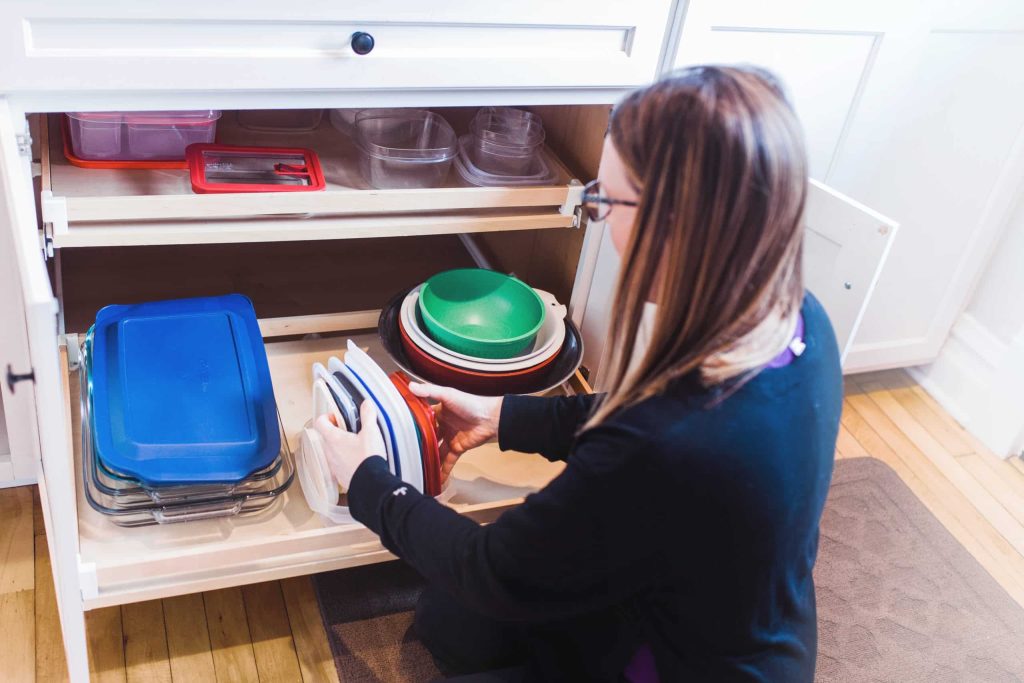
Start with a Thoughtful Assessment
Before introducing storage systems or buying containers, take time to assess how your home currently functions. Walk through each room with a notepad and observe who uses the space, how frequently items are accessed, and which areas cause frustration. Understanding the flow of daily life reveals where organization will have the most immediate impact. A clear assessment prevents the common mistake of treating symptoms—overflowing closets or cluttered countertops—instead of addressing the underlying behaviors and mismatches between space and lifestyle.
Define Zones and Purpose
Successful long-term organization begins by defining zones according to activity rather than by item type alone. In a kitchen, separate the prep zone from the serving and storage zones. In a home office, create distinct areas for focused work, reference materials, and administrative tasks. Naming each zone gives users permission to put items back in their designated places and discourages the “everything goes here” mentality that undermines order. When family members or roommates share responsibilities, labeling zones aloud during a quick walkthrough helps establish shared expectations and prevents future drift.
Prioritize Decluttering with Intent
Decluttering is the foundation of any organizing project. Instead of random purging, use objective criteria: last-used date, purpose, and emotional importance. Items not used in the past year and without sentimental value are prime candidates for removal. Make decisions room by room to reduce overwhelm. Donate or recycle items promptly so they don’t linger and re-enter the system. When sentimental items are difficult to part with, consider photographic preservation: a photo can maintain memory while freeing physical space. Decluttering reduces maintenance time and makes any storage investment more effective.
Invest in Right-Sized, Flexible Solutions
Effective storage is less about aesthetics and more about fit and flexibility. Choose containers and shelving that suit the scale of your possessions. Shallow drawers are ideal for utensils and office supplies; deep bins suit bulk items but should be stored where they are easily accessible. Modular solutions that can be reconfigured adapt as needs change over time, which is essential for families and evolving work-from-home setups. Consider open storage for frequently used items to encourage return-to-place habits, and use closed storage to reduce visual clutter in high-traffic rooms.
Create Systems That Encourage Return
A system is only as good as its ease of use. Make the “put back” action as frictionless as possible. Hooks by the entrance for keys and bags, a charging station for electronics, and designated baskets for mail reduce decision fatigue and prevent items from accumulating in transitional spaces. Placement is crucial: store items where they are most often used. For example, keep frequently worn shoes near the door and baking tools near the oven. These intentional placements save time and make it natural for everyone in the household to maintain order.
Label Strategically and Clearly
Labels are small investments that pay large dividends. Use clear, consistent labeling on shelves, bins, and drawers to set expectations for content and quantities. For multi-user homes, labels reduce ambiguity and help guests or service providers return items correctly. Avoid overly granular labels that feel prescriptive; a simple phrase per storage location maintains flexibility while guiding behaviour. For children’s rooms, combine labels with pictures to encourage independent tidy-up routines.
Establish Routines and Micro-Habits
Longevity of organization depends on routines. Daily micro-habits—clearing countertops each evening, sorting mail immediately, doing a five-minute tidy before bed—prevent clutter from reaccruing. Weekly and seasonal rituals reinforce long-term order: a weekly sweep of entryways and a seasonal wardrobe review prevent overflow and ensure storage remains aligned with current needs. Schedule these tasks like appointments to prevent procrastination. When routines are short and consistent, they become part of the household culture rather than chores.
Involve Everyone and Set Expectations
Sustainable organization requires buy-in from all household members. Host a brief planning session to explain systems, demonstrate how zones work, and agree on responsibilities. Make the process collaborative: when people help design the system they are more likely to use it. For children, gamify the tidy-up process to build good habits without conflict. Regular check-ins—monthly or quarterly—offer chances to tweak systems as life changes.
Use Technology Wisely
Digital organization complements physical order. Use simple apps for inventories or shared household lists to track available supplies and reduce duplicate purchases. Photograph storage contents for hard-to-reach bins so that searching is minimized. Digital reminders for seasonal tasks or maintenance cycles keep systems functioning without relying on memory. Avoid overcomplication: choose one or two tools that integrate easily into daily life to prevent digital clutter from becoming its own problem.
Know When to Bring in Professional Help
Sometimes the space challenges require a specialist’s perspective. An experienced consultant can quickly diagnose inefficiencies and propose tailored solutions, saving time and preventing costly mistakes. If you feel stuck despite effort, consider seeking a professional who understands local supply options and can provide hands-on implementation. Working with a trusted home organizer Salt Lake City can also provide a fresh approach to maximizing space in older homes, new builds, or multi-family layouts. Professionals often offer maintenance plans and coaching to ensure systems stick.
Maintain Flexibility and Celebrate Progress
No system is static. Life changes—growing families, new jobs, or evolving hobbies—demand flexible organization that can be adapted rather than rebuilt. Schedule periodic reviews and treat them as opportunities to celebrate successes and retire what no longer serves you. A grateful mindset toward progress, even incremental, helps maintain motivation and keeps organization as an ongoing, rewarding part of home life rather than a one-time project.
