
Decluttering is more than aesthetic improvement; it reshapes how a home functions and how its occupants feel. In Salt Lake City, where seasonal changes bring different storage needs and outdoor gear accumulates quickly, a well-organized house can save time and reduce stress. Clearing excess items improves circulation, makes cleaning easier, and can reveal underused spaces that become functional again. For families, decluttering lowers decision fatigue by reducing the visual noise of daily life. For single professionals and retirees, it creates room for hobbies, simpler routines, and even improved mental clarity. Approaching decluttering with the local climate, housing styles, and lifestyle patterns in mind yields solutions that stick.
Assessing your space and setting realistic goals
Start with an honest assessment. Walk through each room and note areas that cause frustration: overflowing closets, kitchen counters that never stay clear, or garages that are hard to navigate after a weekend of outdoor adventures. Rather than trying to overhaul the entire house at once, set achievable goals for each session—tackling one closet, a single bathroom cabinet, or a particular shelf. Time-boxing sessions to one or two hours prevents burnout and allows for measurable progress. Prioritize high-impact zones like entryways and kitchens where clutter most affects daily routines. Keep a small notebook or digital note to track completed tasks and remaining projects; seeing progress motivates continued effort.
Practical room-by-room strategies
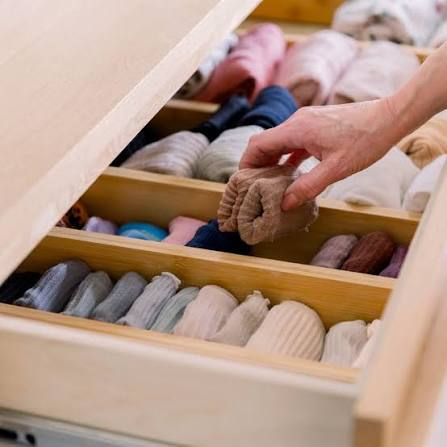
Different rooms require different tactics. In the kitchen, group items by use: daily dishes together, seasonal gadgets stored separately, and duplicates considered for donation. Clear counters by relocating rarely used appliances to cabinets or pantry shelves. In bedrooms, adopt a “one in, one out” rule for clothing to maintain closet balance. Fold and store items vertically to maximize visibility. For living rooms, consolidate media and games in labeled bins or closed cabinets to maintain a calm visual field. Bathrooms benefit from clear containers for daily essentials and a weekly sweep of expired products. Garages and basements, often catch-alls for tools and outdoor equipment, respond well to wall-mounted storage solutions and a dedicated spot for seasonal items; a labeled system helps family members return things where they belong.
Techniques that speed decision-making
Make decisions faster by using simple categories: keep, donate, recycle, discard, or relocate. When doubt slows you down, apply a basic rule: if you haven’t used it in the past year, it’s likely safe to let go unless it has strong sentimental value. For sentimental items, create a memory box with a strict size limit. Use clear containers so contents are visible without opening, and label them with both function and frequency of use. Limit the number of decorative items on surfaces and rotate pieces seasonally to refresh the look without adding clutter. Use timers or music playlists to create a rhythm for sessions; the built-in end point encourages completion.
Sustainable disposal and donation options in Salt Lake City
A responsible decluttering plan includes recycling and donating. Salt Lake City has multiple donation centers and thrift stores that accept clothing, household goods, and furniture in good condition. For items that aren’t reusable, explore municipal recycling programs and specialty drop-off sites for electronics, batteries, and hazardous materials. Consider selling high-value pieces through local marketplaces to offset costs of organizing supplies. When donating, schedule drop-offs or pickup services to remove the friction that often causes items to linger. Many organizations in the area will provide receipts for tax-deductible donations, which is a helpful incentive for decluttering effectively.
When to bring in professional help
There are moments when an outside perspective accelerates the process. If time constraints, emotional attachment, or the sheer volume of belongings make progress slow, a professional can offer systems tailored to your household. If progress stalls, consider hiring a home organizer Salt Lake City for targeted assistance. Professionals bring strategies for layout optimization, storage solutions suited to local housing, and practical advice for maintaining order. They can also manage logistics like coordinating donations, arranging haul-away services, and making small purchases to fill functional gaps. Look for organizers who prioritize sustainable practices and who provide a plan you can maintain independently afterward.
Maintaining momentum and creating habits
Sustaining a decluttered home relies on small daily habits rather than constant large efforts. Implement a five-minute tidy at the end of each day to return stray items to their designated places. Schedule seasonal refreshes—short sessions tied to daylight saving or seasonal transitions—to reevaluate what’s working and what isn’t. Adopt simple rules for incoming items: vet new purchases by asking if they replace something, serve a clear purpose, or add meaningful value. Teach household members shared systems so everyone understands where things belong. Finally, celebrate milestones. Sharing before-and-after photos with friends or rewarding the household with a small treat after completing major projects reinforces the positive outcome of your efforts.
A thoughtful, methodical approach to decluttering transforms spaces and routines. By tailoring your plan to local life, setting clear goals, and using practical tactics, Salt Lake City households can create functional, calming environments that support everyday life. Whether you tackle projects alone or bring in expert help, the key is to build systems that fit your lifestyle and make it easy to keep the progress you’ve earned.
