
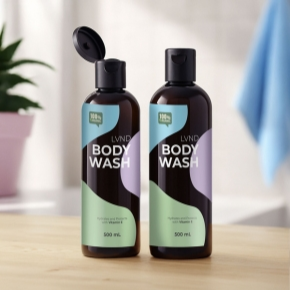
You’ve spent hours perfecting your product design, chosen the right packaging, and crafted a label that genuinely looks brilliant. Then three months later, you spot your bottles in a retailer’s fridge and your heart sinks. The labels are peeling, the ink’s smudged, and your brand looks a cheap version.
Sound familiar? Here’s the thing: plenty of brands invest in beautiful label designs but forget to think about what happens after printing. A gorgeous waterproof label isn’t just about aesthetics anymore. It’s about making sure your product still looks professional after sitting in ice buckets, getting handled by dozens of customers, or spending weeks in humid storage conditions. That’s where the real test begins.
Why Pretty Labels Fail When It Matters Most
The Cold Hard Truth About Label Failure: Most businesses don’t discover their label choice was wrong until it’s too late. You’ve already printed thousands, distributed your products, and then the complaints start rolling in. Retailers get frustrated. Customers question your quality. Your brand reputation takes a hit you didn’t see coming.
What Happens Behind The Scenes: Think about where your products actually end up. Beer bottles get dunked in ice at events. Skincare products sit in steamy bathrooms. Food jars go through condensation cycles in chillers. If your labels weren’t designed for these real-world conditions, they’re basically ticking time bombs waiting to embarrass your brand.
The Material Makes All The Difference: Paper labels might look fantastic fresh off the press, but expose them to moisture and watch what happens. The edges curl. The adhesive gives up. Your carefully chosen brand colours start bleeding together. Synthetic materials like polypropylene handle moisture without breaking a sweat, keeping your branding intact no matter what your products go through.
Labels That Actually Survive Real Life
Built For Wet Environments: Waterproof labels aren’t some luxury upgrade. They’re basic protection for your brand’s reputation. Whether your products live in fridges, get shipped across the country in varying temperatures, or face humidity in warehouses, synthetic labels keep performing. They don’t peel, fade, or fall apart when things get damp.
Durability You Can Actually Count On: Here’s what separates labels that last from ones that don’t. Polypropylene material resists water, oils, and general handling wear. The ink bonds properly so colours stay vibrant. The adhesive is formulated to grip through temperature changes. These aren’t fancy features, they’re necessities if you want your product looking professional from factory to final sale.
Where Waterproof Labels Make Sense: Not every product needs bulletproof labelling, but plenty do. Consider these scenarios where regular labels simply won’t cut it:
- Beverages that spend time on ice or in refrigerated displays where condensation is constant
- Bath and body products exposed to steam, splashes, and humid bathroom environments regularly
- Gourmet foods stored in chillers where moisture and temperature fluctuations are normal
- Any product shipped long distances through varying climate conditions and handling situations
The Hidden Costs Of Choosing Wrong
Reputation Damage Adds Up Fast: When your labels start looking shabby, customers don’t think “oh, their printer must have used cheap materials.” They think your entire brand cuts corners. That perception spreads faster than you’d imagine, especially in competitive markets where customers have endless alternatives to choose from.
Waste That Hurts Your Bottom Line: Reprinting thousands of labels because the first batch failed isn’t just annoying. It’s expensive, time-consuming, and kills your momentum. You’re paying twice for something that should have been sorted the first time. Then there’s the cost of replacing products, managing retailer complaints, and potentially losing shelf space you fought hard to secure.
Time You’ll Never Get Back: Picture this: you’ve launched your product, gained some traction, and suddenly you’re dealing with label failures instead of growing your business. You’re fielding calls from unhappy stockists, arranging replacements, and watching competitors grab the opportunities you’re too busy firefighting to pursue. That’s the real price of poor label choices.
Making Smarter Choices From The Start
Think Long-Term, Not Just Launch Day: Your label needs to work six months from now, not just when it leaves the printer. Consider where your products will actually be sold, stored, and used. If there’s any chance of moisture exposure, waterproof options aren’t optional, they’re essential. Making this call early saves you from expensive lessons later.
The Self-Service Advantage: Modern online platforms let you upload your artwork and process jobs yourself, which keeps costs reasonable without compromising quality. You control the timeline, make adjustments easily, and avoid the back-and-forth delays that come with traditional printing arrangements. Speed matters when you’re trying to get products to market.
Testing Before You Commit: Smart brands don’t gamble with full production runs. They test label materials in real conditions first. Stick samples in the fridge. Expose them to moisture. Handle them roughly. See what survives and what fails. Those small upfront tests prevent massive headaches down the track when you’re trying to scale.
Your Brand Deserves Better
Labels do more than identify what’s in the package. They represent every decision you’ve made about quality, every promise you’re making to customers, and every reason someone should choose your product over the competition. When those labels fail, all of that comes into question.
Choosing waterproof, durable materials isn’t about being paranoid or overspending. It’s about respecting the effort you’ve already put into building something worth protecting. Your products deserve labels that last as long as the quality inside the packaging. Your customers deserve brands that show up looking professional every single time.
Ready To Make The Switch?
Stop gambling with labels that might let you down when it matters most. Your brand’s worked too hard to risk it on materials that can’t handle real-world conditions. Whether you’re launching something new or finally fixing a problem you’ve been ignoring, now’s the time to get it sorted properly.
Chat to our team about waterproof label options that actually protect your investment and keep your brand looking sharp from day one through month twelve and beyond.
