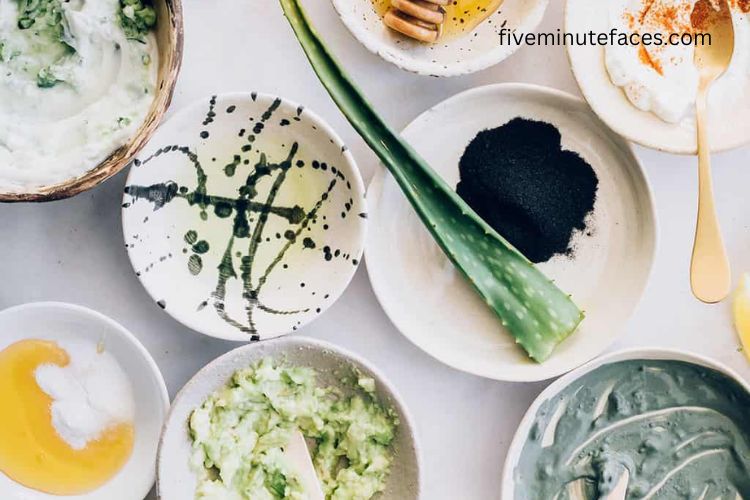
Acne can strike at the most inconvenient moments, leaving your skin irritated, inflamed, and frustratingly stubborn. While over-the-counter treatments are widely available, homemade face masks offer a natural, affordable, and highly effective way to manage acne. Whether dealing with occasional stress-induced breakouts or chronic acne, DIY masks can help reduce inflammation, kill bacteria, and target blemishes without damaging healthy skin.
Here, we’ve curated 12 dermatologist-approved, easy-to-make face masks that use simple ingredients you may already have at home.
Read More: 53 Irresistible Black Friday Beauty Deals You Can’t Miss!
Why Use Face Masks for Acne?
Acne affects millions of people, especially young adults and teenagers, but many older adults experience it as well. Left untreated, acne can leave permanent scars. While daily cleansing is important, masks provide deeper treatment. They can exfoliate clogged pores, reduce excess oil, and soothe inflammation in ways that standard cleansers cannot.
Dermatologist Dr. Richard Torbeck explains, “Exfoliating masks help prevent comedones, which are small plugs in hair follicles that washing alone cannot remove.” Naturopathic doctor Olivia Rose adds, “Masks act as a deep-acting treatment that goes beyond surface cleansing, offering hydration, antibacterial benefits, and relaxation.”
Homemade masks also allow customization based on your skin type, making them ideal for targeting specific problem areas.
Avocado & Lemon Mask

Avocado is rich in hydrating fats that support cell regeneration without clogging pores. Lemon juice lightens hyperpigmented areas, and honey adds antibacterial properties.
Ingredients:
- 1 ripe avocado
- 1 tbsp raw honey
- Half a lemon
Mash the avocado, mix in honey, and squeeze in lemon juice. Apply for 5–10 minutes as a spot treatment or across acne-prone areas. For sensitive skin, reduce or skip the lemon. Use at night and apply sunscreen the following day due to photosensitivity.
Apple Cider Vinegar & Clay Mask
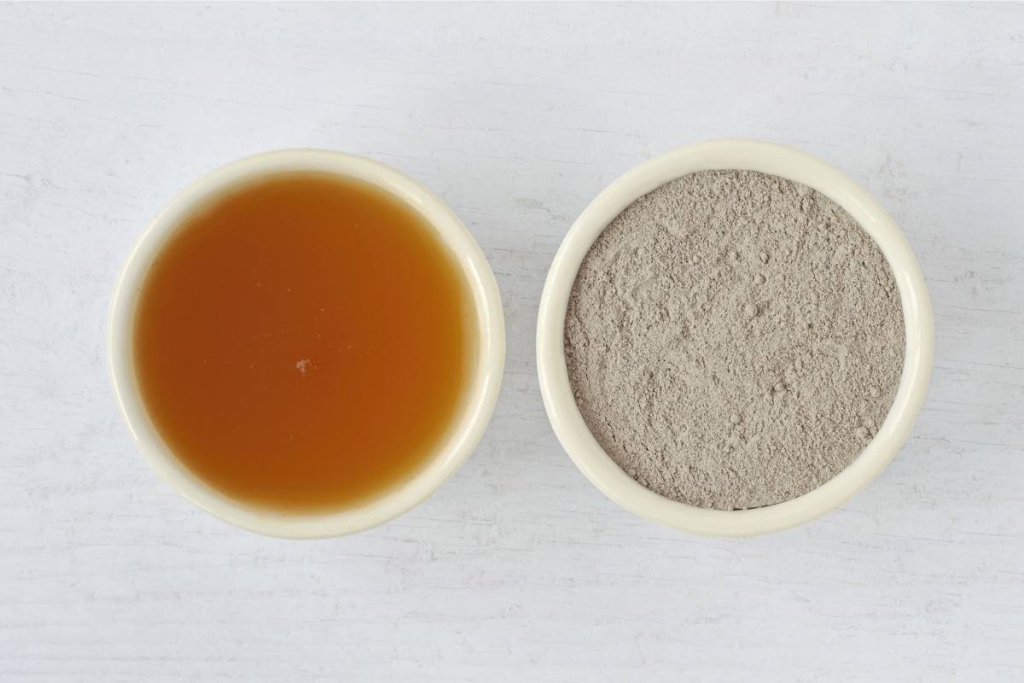
Clay absorbs excess oil and detoxifies pores, while apple cider vinegar gently exfoliates and balances pH.
Ingredients:
- 1 tbsp bentonite clay
- 1 probiotic capsule
- 2 tbsp raw apple cider vinegar
Mix clay and probiotic powder, then add ACV to form a smooth paste. Apply to the face for 10–15 minutes, rinse, and follow with moisturizer. Use twice weekly for shine-free skin.
Charcoal & Aloe Mask
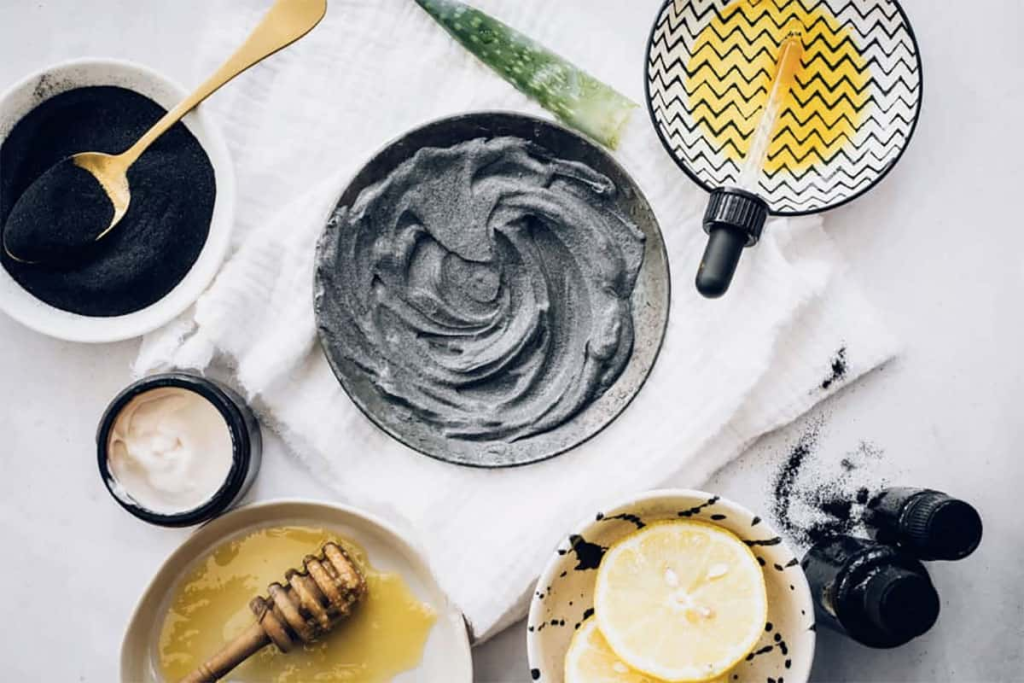
Activated charcoal draws out impurities, while aloe vera soothes inflammation and speeds healing. This mask is perfect for oily, irritated, or sensitive skin.
Ingredients:
- 1 tbsp activated charcoal
- 1 tbsp aloe vera gel
- 1 drop tea tree essential oil
Mix and apply in circular motions. Leave on for 10–15 minutes, then rinse with warm water.
Garlic & Milk Mask
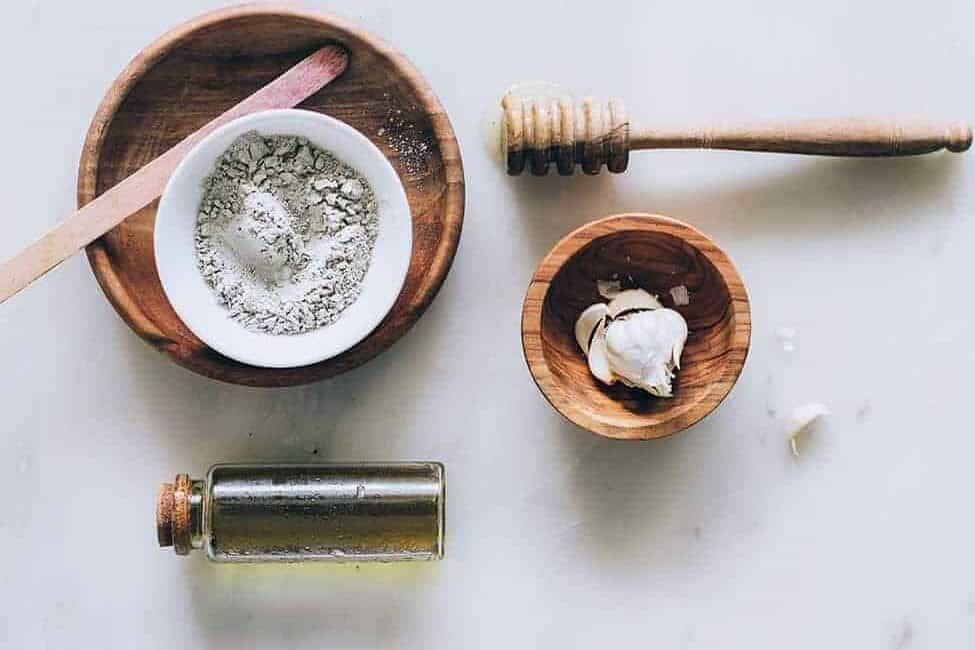
Garlic fights acne-causing bacteria and reduces inflammation, while milk gently exfoliates and jojoba oil hydrates without clogging pores.
Ingredients:
- 1 clove garlic, minced
- 1 tsp jojoba oil
- 2 tbsp whole milk (or honey/aloe vera)
Combine ingredients to a smooth paste, apply for 5–10 minutes, then rinse while gently exfoliating.
Cucumber & Yogurt Probiotic Mask
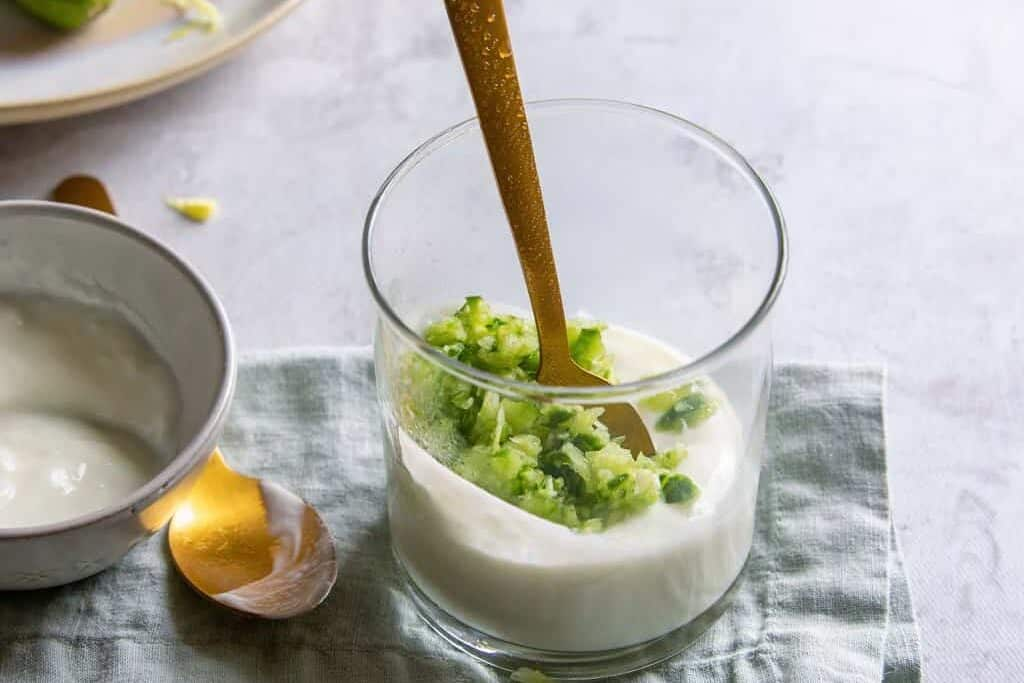
Cucumber has anti-inflammatory properties, and yogurt provides probiotics to nourish the skin’s microbiome, reducing redness and irritation.
Ingredients:
- ½ cucumber, pureed
- 2 tbsp plain yogurt
- 1 probiotic capsule
Mix ingredients and apply for 10–15 minutes. Rinse with warm water and follow with toner and moisturizer. Ideal for sensitive or sun-exposed skin.
Aspirin Spot Treatment Mask
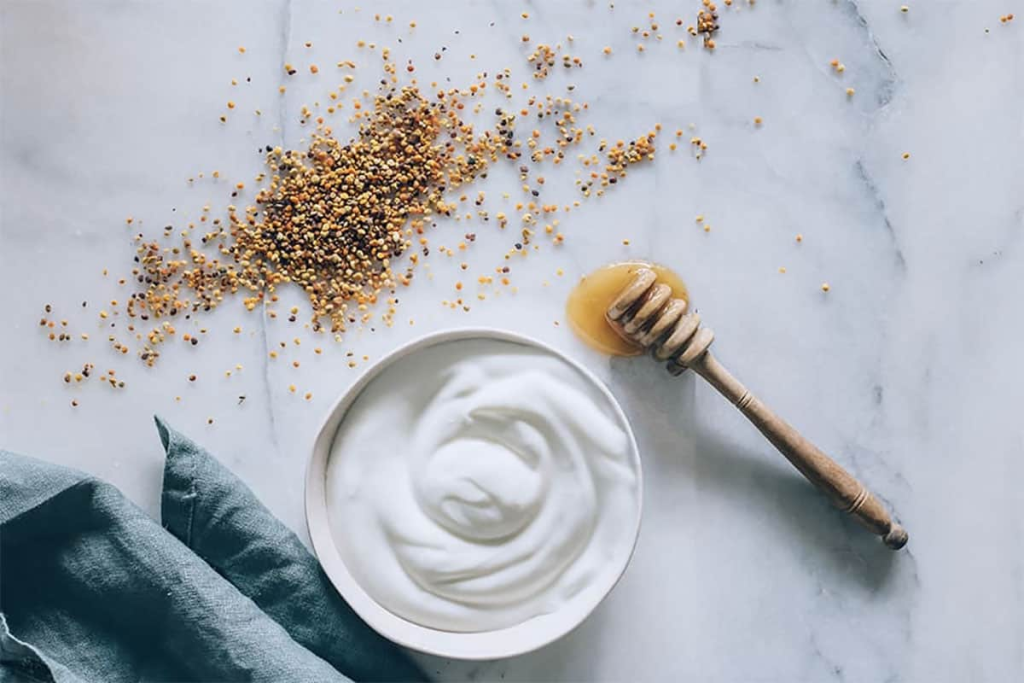
Aspirin contains salicylic acid to unclog pores, while honey and yogurt hydrate and fight bacteria.
Ingredients:
- 3 aspirin tablets (non-enteric)
- ½ tsp honey
- 1 tbsp plain yogurt
Crush aspirin and mix with honey and yogurt. Apply directly to pimples for 10 minutes and rinse. Use as a daily spot treatment if needed.
Raw Honey Spot Mask
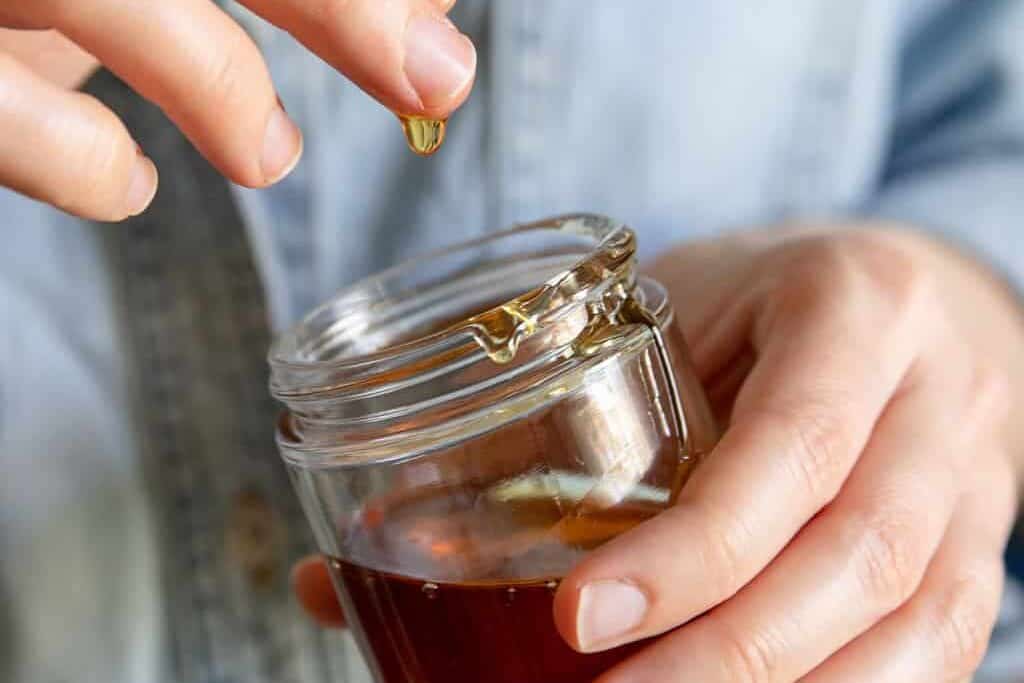
Honey’s antibacterial and anti-inflammatory properties make it a powerful single-ingredient acne treatment.
Ingredients:
- Raw honey (Manuka preferred)
- Apply directly to blemishes for 10–15 minutes, then rinse. Honey helps reduce redness, unclog pores, and accelerate healing.
- Tea Tree & Aloe Mask
- Tea tree oil kills acne-causing bacteria, while aloe vera calms inflamed skin.
Whip the egg white, mix in aloe and tea tree oil, and apply for 10–15 minutes. Rinse with warm water. Apply weekly at night to avoid photosensitivity.
Deep Cleansing Comedone Mask
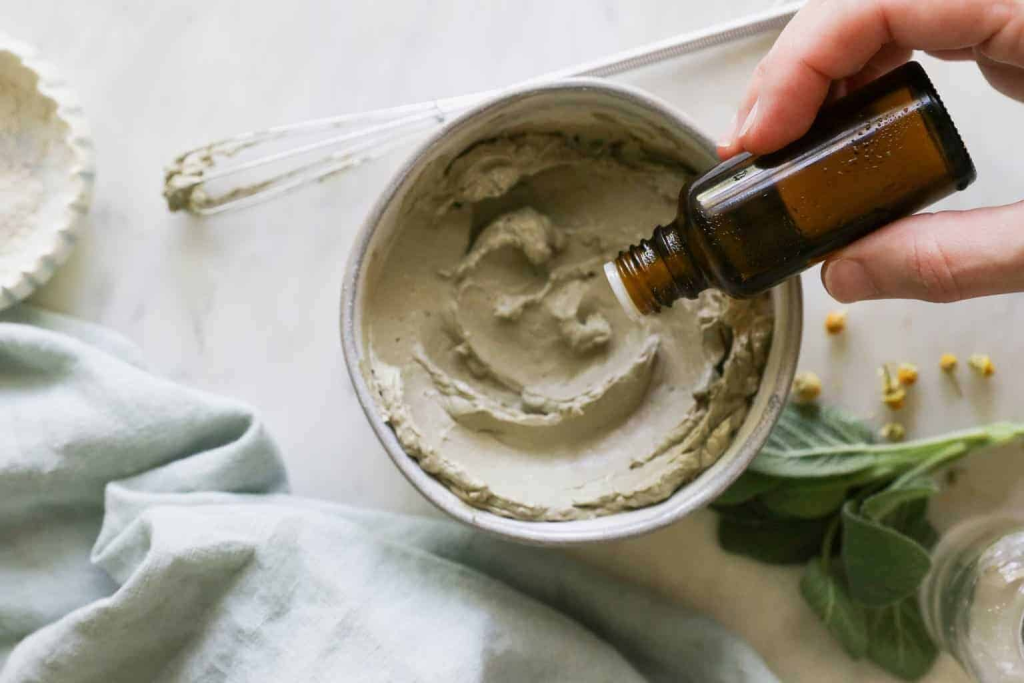
This mask targets blackheads and oily skin while providing antibacterial benefits.
Ingredients:
- 2 tbsp aloe vera gel
- 2 drops tea tree essential oil
- 1 egg white
Ingredients:
- 1 egg white
- ½ tsp bentonite clay
- ¼ tsp lemon juice
Whip the egg white, add clay and lemon juice, and apply to problem areas. Rinse after 10 minutes and follow with moisturizer.
Acne-Fighting Pomegranate Peel Scrub
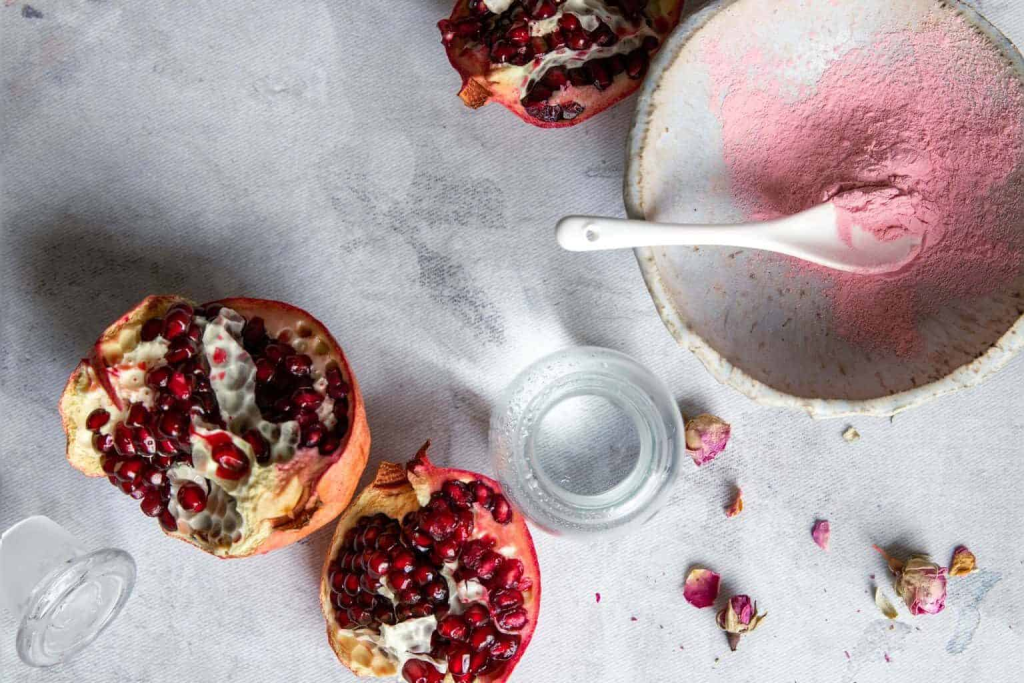
Pomegranate peel is rich in antioxidants and anti-inflammatory compounds that reduce acne and promote healing.
Ingredients:
- 2 tsp pomegranate peel powder
- Rosewater
- Mix into a paste and apply to blemishes for 5–10 minutes. Rinse thoroughly. Use 1–2 times per week as a spot treatment.
Overnight Oat Milk Mask
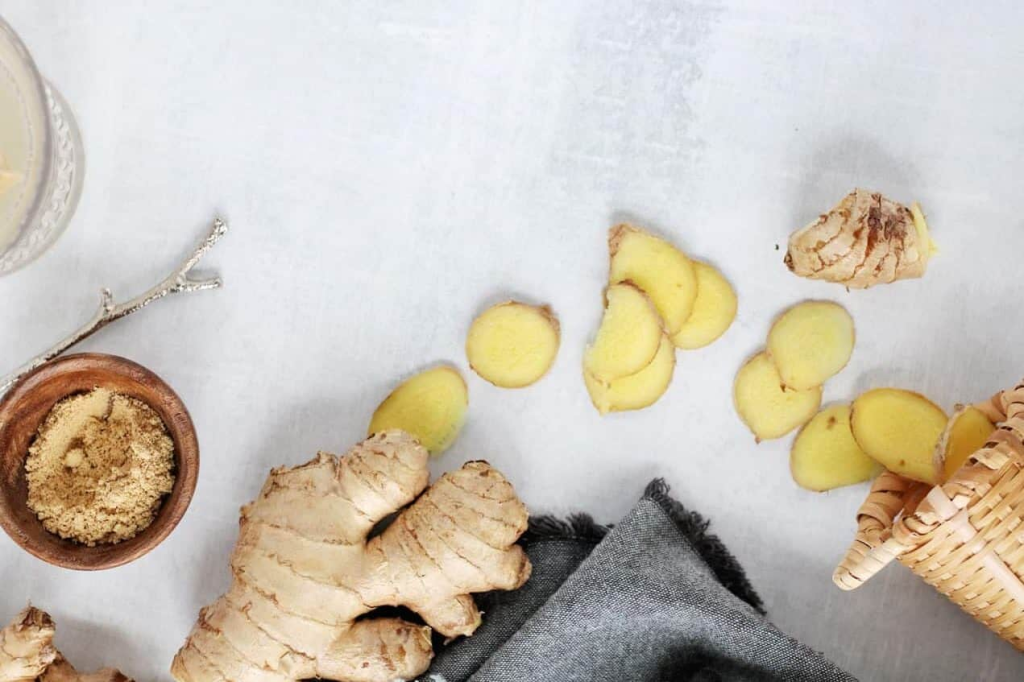
Oat milk soothes irritation and dryness while essential oils add antibacterial and anti-inflammatory benefits.
Ingredients:
- 2 tbsp unsweetened oat milk
- 2 drops ginger root oil
- 3 drops blue tansy oil
Whisk ingredients and apply with a cotton ball overnight. Rinse in the morning for calm, hydrated skin.
Green Tea & Rosehip Sheet Mask
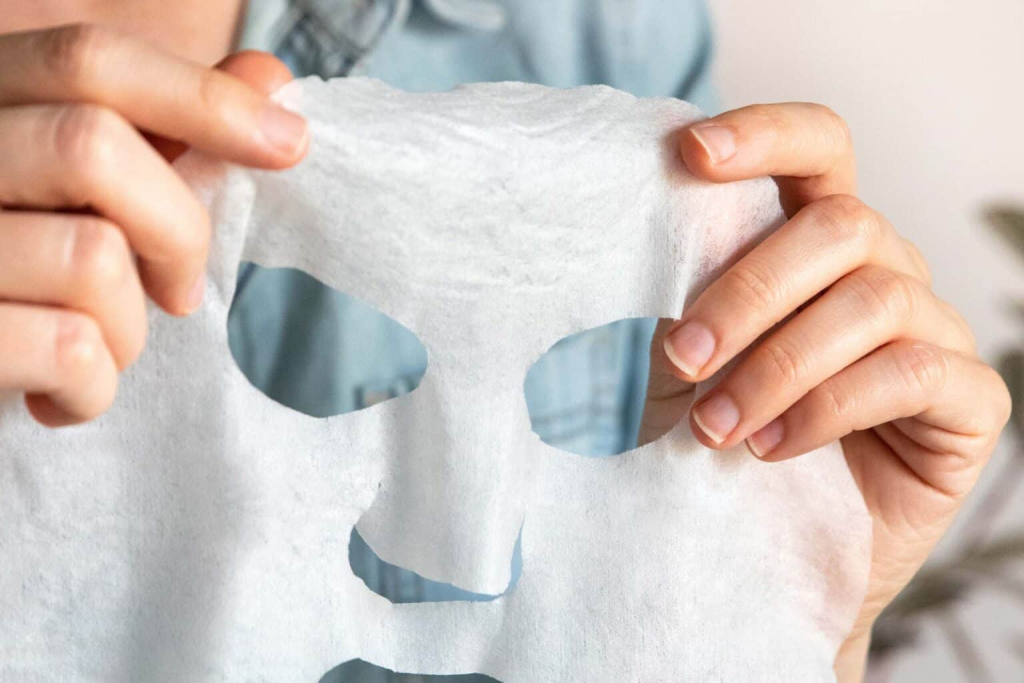
Sheet masks hold active ingredients against the skin for maximum absorption. Green tea reduces redness, while rosehip oil nourishes and rejuvenates.
Ingredients:
- 2 tbsp rosewater
- 3 tsp strong green tea
- ½ tsp rosehip oil
- 1 cotton sheet mask
Soak the sheet mask in the liquid mixture for 60 seconds, squeeze excess, and place on the face for 10–15 minutes. Rinse and repeat 1–2 times weekly.
Frequently Asked Questions:
Are DIY face masks effective for acne?
Yes, many homemade masks use natural ingredients like honey, clay, and tea tree oil that have antibacterial, anti-inflammatory, and exfoliating properties, helping reduce breakouts and calm irritated skin.
How often should I use an acne face mask?
Most masks can be used 1–3 times per week, depending on your skin type. Spot treatments like honey or aspirin masks can be applied daily to individual pimples.
Can sensitive skin use these masks?
Yes, but be cautious with acidic or strong ingredients like lemon juice and garlic. Patch-testing on a small skin area is recommended before applying to the entire face.
How long should I leave a mask on my face?
Most DIY acne masks should be left on for 5–15 minutes. Overnight masks, like oat milk treatments, are exceptions and can be used while sleeping.
Do I need to moisturize after using an acne mask?
Yes. Even masks that target oil and breakouts can dehydrate skin slightly, so follow up with a gentle, non-comedogenic moisturizer to maintain balance.
Can these masks prevent future breakouts?
Regular use of acne-fighting masks can help control oil production, reduce inflammation, and unclog pores, which may lower the frequency and severity of breakouts.
Are DIY masks better than store-bought acne masks?
DIY masks are natural, customizable, and affordable. While store-bought masks may have more potent active ingredients, homemade masks are gentle, safe, and effective for regular use.
Conclusion
Acne can be frustrating and persistent, but these 12 dermatologist-approved DIY face masks offer natural, effective, and affordable solutions. From soothing cucumber and yogurt blends to antibacterial honey and tea tree treatments, each mask targets specific skin concerns like inflammation, excess oil, and bacteria, while nourishing and rejuvenating your skin. Incorporating these masks into your skincare routine not only helps manage breakouts but also promotes healthier, glowing skin without harsh chemicals. By experimenting with these homemade remedies, you can find the perfect combination that works for your unique skin type, making acne care both simple and enjoyable.