
Choosing the right facial cleanser isn’t one-size-fits-all. Your ideal cleanser depends on your skin type, age, seasonal changes, and even how much makeup you wear. By understanding your skin’s needs and experimenting with natural ingredients, you can create a daily cleanser that nourishes, protects, and rejuvenates your skin.
Read More: Indulgent DIY Vegan Cleansing Balm That Melts Away Makeup—Leaves Skin Fresh, Radiant, and Oil-Free
Finding the Perfect Natural Facial Cleanser
Using the wrong cleanser can lead to breakouts, dryness, or incomplete cleansing. Start by identifying your skin type: oily, dry, sensitive, or combination. Acne-prone skin may benefit from oil-free options, while dry skin thrives on hydrating cleansers.
Consider seasonal changes too. Hydrating cleansers work best in colder months, while oil-balancing cleansers suit spring and summer. Always perform a patch test, especially if your skin is sensitive.
Ingredients also play a key role:
- Oily skin: Tea tree oil, grapeseed oil, clay
- Dry skin: Avocado oil, shea butter, honey
- Sensitive skin: Chamomile, aloe vera, sweet almond oil
With these factors in mind, you can select a cleanser that not only cleans but also treats your skin’s specific needs.

11 Natural Face Cleanser Recipes You Can Make at Home
Whether you have dry, oily, or sensitive skin, there’s a natural cleanser for you. Experiment with these recipes to discover what works best.
Oil-Based Cleansers
Cleansing Oils
Oil cleansers use “like dissolves like” to remove dirt, makeup, and excess oils without stripping skin. Jojoba, grapeseed, and almond oils are ideal, while coconut oil may clog pores.
Best For:
- Dry skin: Hydrates while cleansing
- Oily/acne-prone skin: Balances oil production
- Sensitive skin: Gentle and nourishing
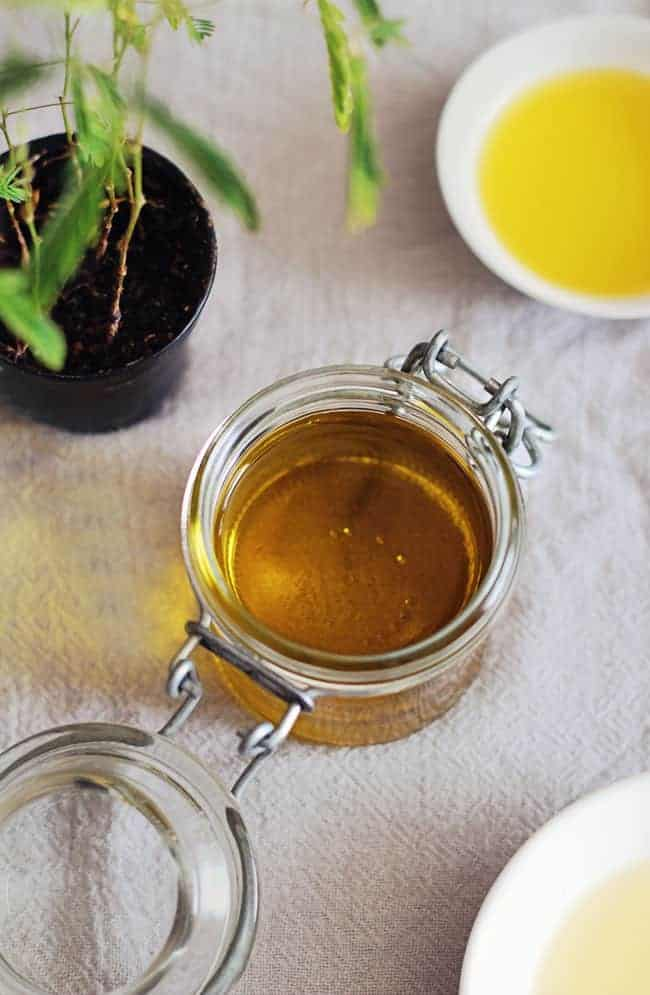
DIY Recipe for Acne-Prone Skin:
- 3 parts jojoba oil
- 1 part tamanu oil
- 9 drops frankincense essential oil per 2 ounces
- Massage onto dry skin for 1–2 minutes, then remove with a warm washcloth.
Cleansing Balms
Rich and solid at room temperature, these melt into oils on the skin, effectively removing makeup and impurities. Add clay, coconut oil, or essential oils like lavender for hydration or tea tree for acne.
Best For: Dry, mature, or sensitive skin.

Cream Cleansers
Cream-based cleansers are lighter than balms but still moisturizing. Combine avocado oil, emulsifying wax, aloe vera gel, and essential oils for a gentle, hydrating wash.
Best For: Dry, mature, and sensitive skin.
Soap-Based Cleansers
Foaming Cleansers
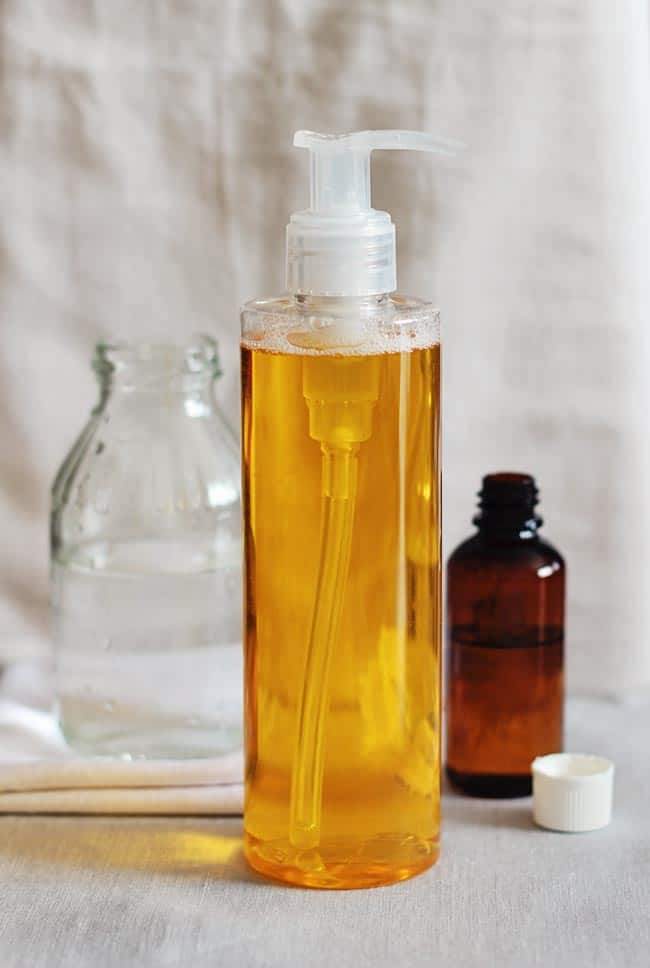
Mix castile soap with water and soothing ingredients like aloe vera or chamomile. Foaming cleansers remove excess oil, making them ideal for oily or combination skin.
Facial Soap Bars
Choose glycerin, shea butter, or goat milk soap bases with exfoliating ingredients like oats or charcoal. Soap bars suit normal, oily, and combination skin depending on the formula.
Powdered Cleansers
Cleansing Grains
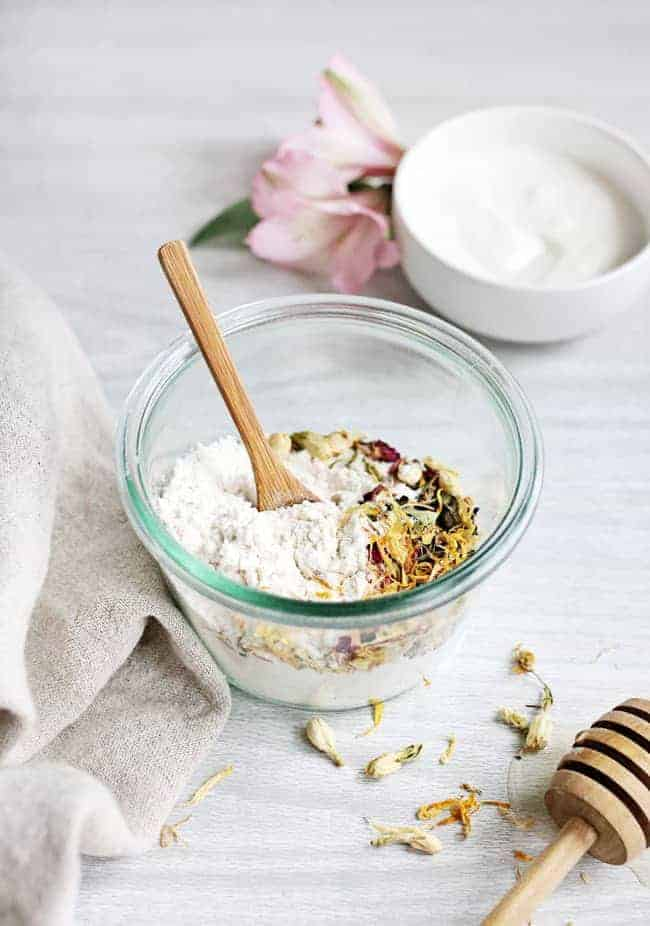
Ground herbs, oats, or rice create gentle exfoliating scrubs. Use finely ground powders to avoid irritation.
Best For: Normal, combination, and occasionally dry skin.
Clay Cleansing Masks
Bentonite, kaolin, or French green clay absorb excess oil and impurities. These can also be used as masks to deepen cleansing.
Best For: Oily, acne-prone, or combination skin.
Non-Soap Cleansers
Honey Cleansers
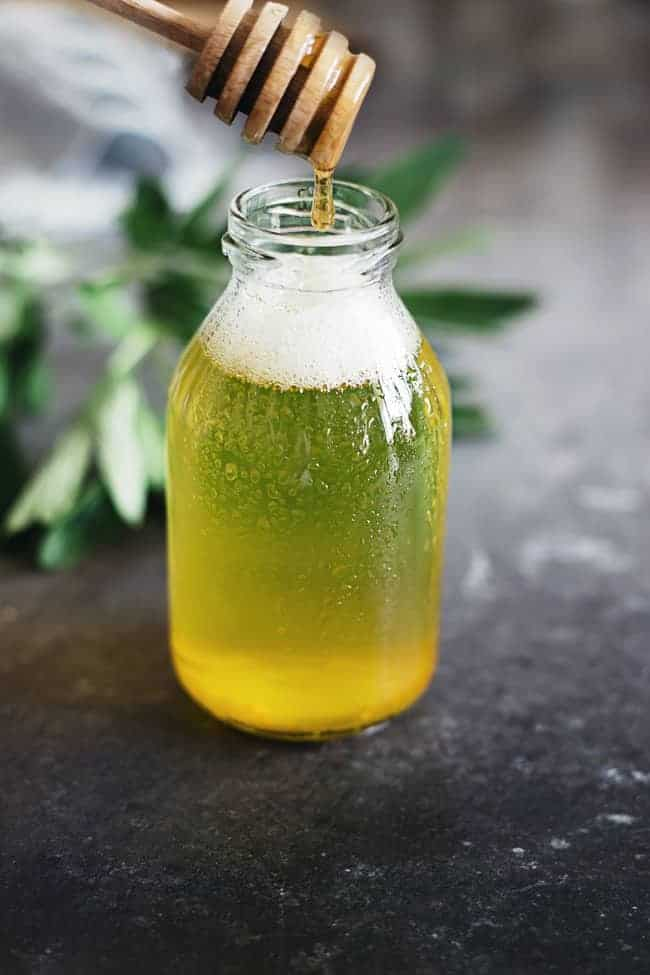
Honey is naturally antibacterial, soothing, and hydrating. It works for dry, acne-prone, and sensitive skin.
Milk Cleansers
Cleansing with whole milk, oat milk, or coconut milk gently exfoliates while moisturizing. Add probiotics or rosewater for extra benefits.
Micellar Water
Micellar water uses tiny oil molecules to lift dirt and makeup without rinsing. Customize with rosewater or other soothing ingredients for sensitive skin.
Cleansing Wipes
DIY wipes are convenient for travel or quick cleansing. Use rose-infused witch hazel, aloe, or cucumber extract to tone and hydrate without irritation.
How to Wash Your Face Correctly
Even the best cleanser won’t work if used improperly. Follow these steps:
- Warm Your Cleanser: Warm oils or balms in your hands before application. Apply in upward circular motions.
- Cleanse Top to Bottom: Include hairline and neck, focusing on congested areas.
- Take Your Time: Spend 1–2 minutes cleansing, adding water gradually to distribute the cleanser.
- Rinse Thoroughly: Use lukewarm water or a warm washcloth to remove all residue.
- Optional Second Cleanse: Especially if you wore makeup or sunscreen.
- Tone & Moisturize: Apply toner or moisturizer to damp skin for optimal hydration.
Frequently Asked Question:
What makes a facial cleanser “luxurious” and natural?
A luxurious natural cleanser uses high-quality, skin-loving ingredients like oils, butters, clays, or honey that nourish, hydrate, and cleanse without harsh chemicals.
Can I use these DIY cleansers on sensitive skin?
Yes! Many recipes use gentle ingredients like aloe vera, chamomile, or sweet almond oil, which are safe for sensitive skin. Always do a patch test first.
How long can I store homemade facial cleansers?
Most can last 3–6 months in airtight containers. Fresh ingredients like milk or honey-based cleansers should be stored in the fridge and used within a week.
Can I add essential oils to these cleansers?
Absolutely! Essential oils like lavender, tea tree, or geranium can provide extra benefits, but always dilute them in a carrier oil and add 3–5 drops per ounce.
Are these DIY cleansers effective at removing makeup?
Yes, oil-based cleansers, balms, and some foaming cleansers are very effective at removing makeup while still being gentle on the skin.
Can these natural cleansers help with acne or breakouts?
Certain ingredients like tea tree oil, clay, or honey can help reduce breakouts by balancing oil, unclogging pores, and offering antibacterial properties.
Do I need a separate toner after using a natural cleanser?
Toner is optional but recommended for extra hydration and to restore pH balance, especially if using soap-based or clay cleansers.
Conclusion
Crafting your own natural facial cleanser gives you full control over what touches your skin, allowing you to nourish, protect, and revitalize your complexion with safe, effective ingredients. By understanding your skin type, seasonal needs, and the benefits of natural oils, clays, milks, and herbs, you can create personalized cleansers that leave your skin radiant, glowing, and healthy. Experimenting with these 11 powerful DIY recipes ensures you’ll find the perfect routine for your lifestyle, helping you achieve naturally beautiful skin without harsh chemicals. Consistency, care, and the right ingredients are the keys to glowing, balanced skin every day.