
Measles cases in the United States have risen by 8 percent in a single week, taking the national total to 4,410. The increase is a reminder that a disease once close to elimination can return when vaccination coverage slips. This article approaches the update through everyday protection: small habits that support community health, with clear information rather than alarm.
Measles spreads through the air and can linger in a room after an infected person has left, which is why even a modest weekly rise deserves attention. The good news is that the tools to stop it are well understood, widely available and highly effective.
Why Cases Are Rising
Measles needs only a small opening. It is among the most contagious viruses known, so when the share of vaccinated children in a community dips, outbreaks can grow quickly. Pandemic-era disruption to routine immunisation left gaps in some areas, and misinformation has persuaded some parents to delay or decline the MMR vaccine.
Travel adds a second route in. People can catch measles abroad and return home during the infectious period before a rash appears, seeding cases in schools, clinics and public transport. Where local coverage is high, those sparks usually fade; where it is low, they can catch.
The Centers for Disease Control and Prevention’s measles pages set out the current guidance in detail, including what to do after a possible exposure. Readers interested in how vaccine science develops may also appreciate our recent report on an early-stage personalised cancer vaccine trial, which shows the same careful testing process at work in a very different field.
Symptoms to Recognise
Measles usually begins like a heavy cold: high fever, cough, runny nose and red, watery eyes. Small white spots may appear inside the mouth, and a red, blotchy rash typically follows a few days later, starting on the face and spreading downwards. Anyone with these symptoms, especially after travel or known contact with a case, should phone a clinician before visiting in person so arrangements can limit spread.
Most people recover, but complications such as ear infections, pneumonia and, rarely, inflammation of the brain are real risks, particularly for babies, pregnant women and people with weakened immunity. That is why prompt advice matters even when illness seems mild at first.
Vaccination Guidance
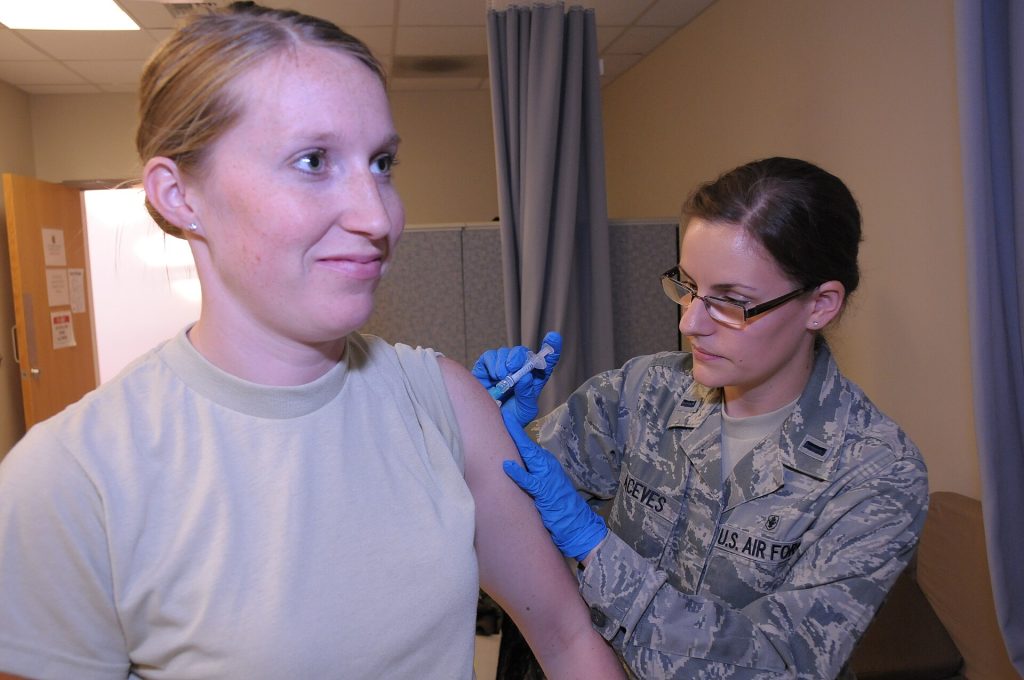
The MMR vaccine, given in two doses in childhood, is about 97 percent effective against measles and has a decades-long safety record. Officials advise checking that children are up to date, and that adults who are unsure of their status — particularly before international travel — ask about catch-up vaccination. Babies travelling to areas with outbreaks may be eligible for an early dose.
If you were exposed and are not immune, vaccination within 72 hours can sometimes prevent or soften illness, and immunoglobulin may be offered to vulnerable contacts. Local health departments can advise during outbreaks.
How Outbreaks Are Brought Under Control
When cases cluster, local teams move through a well-practised routine: confirming diagnoses, identifying who was exposed while infectious, and offering vaccination or monitoring to contacts. Schools may be asked to check records and share information with families, and clinics often run extra sessions so catch-up doses are easy to get. None of this requires panic — it requires coordination, which is why officials stress early reporting of suspected cases.
History suggests these measures work. The United States eliminated endemic measles in 2000 through exactly this combination of high routine coverage and rapid outbreak response, and other countries have repeated the achievement. The virus has not changed its nature since then; what fluctuates is coverage and vigilance. Keeping both high is far cheaper, kinder and more effective than managing large outbreaks, which is the essential context behind each week’s updated case count.
Above all, officials ask the public to treat the current figures as a prompt for preparation rather than fear. Check records, book missing doses, learn the early symptoms, and share guidance from health authorities with family and neighbours. Those steady, practical steps are how a rising weekly number becomes a falling one — and how communities protect the people measles would harm most. Local pharmacists, school nurses and family doctors can all confirm records quickly, often in a single visit, and many areas are running walk-in catch-up sessions while case numbers remain elevated.
