
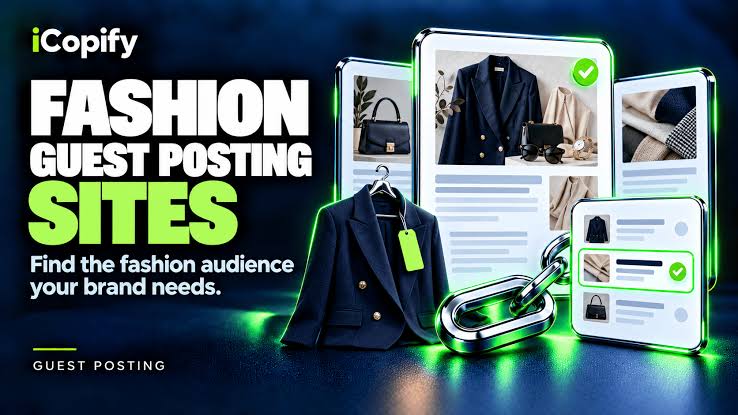
Fashion businesses are built on a mix of visual identity, trust, and discovery. A new label may have a carefully designed collection and a polished online store, yet still struggle to reach shoppers beyond social media. For independent designers, boutiques, stylists, and fashion writers, guest posting websites can offer another route to visibility: sharing useful ideas with readers who already care about style, while giving a brand a relevant place in the wider conversation.
The key is to approach guest publishing as editorial work, not just a way to acquire links. A thoughtful article on fabric care, styling for different occasions, or the practicalities of launching a small label can help readers and introduce a brand’s expertise. A generic post placed on an unrelated site is less likely to make a lasting impression.
Start With the Reader, Not the Link
Before pitching an article, consider who the publication serves. A sustainable clothing label might look for readers interested in garment longevity, while a personal stylist could contribute advice on building a versatile work wardrobe. A specialist accessories brand may have something useful to say about materials, craftsmanship, or how to care for jewelry.
That focus helps keep the piece credible. Choose a topic that fits the publication’s usual coverage, then make the brand connection useful and proportionate. Readers should be able to enjoy the advice even if they never click through to a business website. In fashion, where product claims and trends can change quickly, clear, specific information is more persuasive than sweeping promises.
What to Check Before Publishing
Not every site that accepts submissions is a good fit. Review its recent articles, intended audience, and overall quality. Look for original writing, a consistent editorial point of view, and subject matter that relates naturally to your own expertise. It is also worth checking whether articles appear to be written for readers or exist mainly to host promotional links.
Ask how the article will be edited and presented, what link policies apply, and whether the publisher has a clear process for publication. A link should point to a genuinely helpful destination, such as a size guide, care instructions, or a relevant collection page—not an unrelated landing page chosen only for search visibility. Strong editorial context matters to readers and gives the link a sensible purpose.
Choosing a Publishing Approach
Fashion businesses have different levels of time and control to devote to outreach. Some prefer a managed service that handles much of the process; others want to compare sites and make selections themselves. The difference between FATJOE’s managed approach and iCopify’s marketplace model is outlined in this comparison of guest posting websites. The right option depends on how closely a team wants to review each publishing opportunity, along with its budget, timeline, and internal capacity.
Whichever route you consider, treat the publisher list as a starting point rather than a guarantee of quality. Check each site individually, confirm that its audience is relevant, and make sure the proposed topic would feel at home there. A fashion brand should be wary of placements that promise reach but offer little connection to clothing, beauty, accessories, or the creative industries.
Make the Article Worth Reading
A useful guest article gives readers something they can apply. A boutique owner might explain how to assess garment fit when shopping online; a designer could discuss why certain fabrics behave differently; a stylist might show how to adapt one outfit for several settings. The best topics draw on real expertise without turning every paragraph into a sales pitch.
Plan the piece around a clear question, use examples that support the advice, and keep product references relevant. If you need help with research, writing, design, or marketing, freelance marketplaces can connect businesses with specialists across creative and technical fields. For a broader comparison of local task platforms and other freelance options, Osdire’s guide reviews services including Fiverr and Upwork. Osdire also describes a flat-pricing model, with buyer payment held while an order is in progress and released after the delivered work is approved.
Measure More Than Search Traffic
Guest publishing can support visibility, but its value is not always captured by a single ranking metric. Look at whether the article reaches the intended audience, sends relevant visitors, attracts genuine engagement, or creates useful relationships with editors and other businesses. Keep track of where each contribution appears and what it links to, so future outreach can build on what works.
Fashion trends move quickly, but useful expertise has a longer life. Evergreen advice on fit, care, styling, or responsible purchasing can remain relevant well after a seasonal collection has passed. That makes editorial quality a practical investment, not simply a matter of polish.
Frequently Asked Questions
What makes a guest posting website suitable for a fashion brand? Look for an established publication whose readers and editorial topics overlap with your expertise. Relevant coverage and strong articles matter more than a large-looking site list.
Should every guest article include a link to a product? No. Include a link only when it helps readers continue their research. A useful guide or relevant collection page is a better destination than an unrelated sales page.
Is a managed service or marketplace better? It depends on how much control and hands-on review you want. Compare the workflow, publisher selection process, and costs before deciding, and assess each proposed site on its own merits.
Conclusion
For fashion businesses, guest publishing works best when it begins with a real audience need. Choose relevant publications, contribute practical expertise, and make any link an organic extension of the article. Whether outreach is handled in-house, through a managed service, or with help from freelancers, a careful editorial approach can build awareness without making the brand’s voice feel like an advertisement.
